Introduction
The University of Al-Maarif (UOA) demonstrates a strong commitment to advancing community education, lifelong learning, and social responsibility through structured programs, outreach activities, and collaborative partnerships that extend beyond the boundaries of the academic campus. Recognizing education as a transformative force for social and economic development, UOA’s community education initiatives aim to make knowledge accessible to all—irrespective of age, gender, or socioeconomic background.
These initiatives align directly with Sustainable Development Goal (SDG) 4: Quality Education, specifically Target 4.3 (equal access to lifelong learning opportunities) and Target 4.7 (education for sustainable development). They also contribute to SDG 5 (Gender Equality), SDG 10 (Reduced Inequalities), and SDG 17 (Partnerships for the Goals), by fostering inclusive, equitable, and collaborative education models that serve both the university community and the wider Al-Anbar region.
The Community Education Program (CEP) at UOA is designed around the principle that higher education institutions hold a civic duty to serve society—not only by producing graduates but also by empowering communities through learning, awareness, and skill development. The university’s mission emphasizes the dissemination of knowledge, support for underprivileged groups, and active participation in solving societal challenges through education, health awareness, and sustainable development practices.
1. Institutional Framework for Community Education
Community education at the University of Al-Maarif operates under the supervision of the Deanship of Student Affairs and the Community Service and Continuing Education Committee, with active coordination from the Sustainability and Global Ranking Unit (SGRU) and various academic departments. This institutional framework ensures that all educational outreach initiatives are systematic, inclusive, and aligned with national and international sustainability standards.
Key responsibilities within the framework include:
- Planning and Design: Identifying community needs, setting annual priorities, and developing educational content suited to diverse audiences.
- Implementation and Supervision: Coordinating workshops, seminars, and field programs through faculties and student clubs.
- Monitoring and Reporting: Collecting participation data, evaluating impact, and publishing results in the UOA Annual Sustainability Report.
This structure guarantees academic rigor, organizational continuity, and measurable outcomes for every community-oriented educational activity.
2. Objectives of UOA’s Community Education Programs
The university’s community education initiatives are guided by four primary objectives:
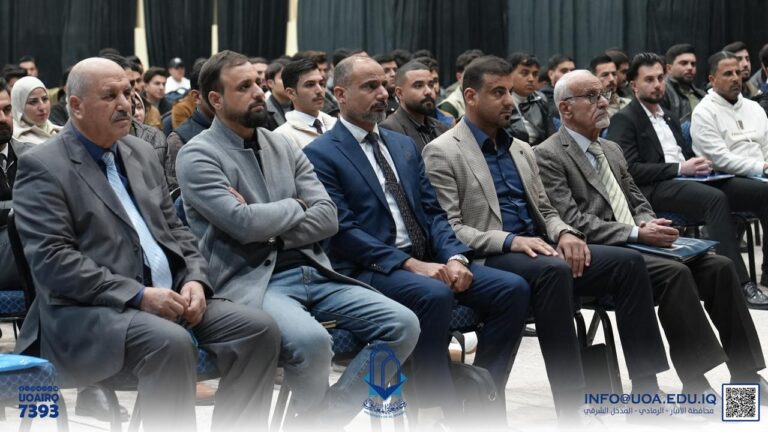
- Enhancing Educational Access: Providing opportunities for learning beyond formal university boundaries through free lectures, workshops, and awareness programs.
- Promoting Lifelong Learning: Encouraging individuals to pursue personal and professional growth regardless of age or social status.
- Empowering Communities: Addressing local challenges through knowledge-sharing, health awareness, and vocational training.
- Advancing Sustainable Development: Integrating environmental, social, and economic sustainability themes into all educational activities.
By achieving these objectives, UOA positions itself as a catalyst for community empowerment and a regional model of inclusive education.
3. Types of Community Education Programs
The University of Al-Maarif implements a variety of community education initiatives tailored to meet the diverse needs of the Al-Anbar community. These programs are multidisciplinary, inclusive, and often developed in collaboration with government ministries, NGOs, and local organizations.
3.1 Health Awareness and Preventive Education
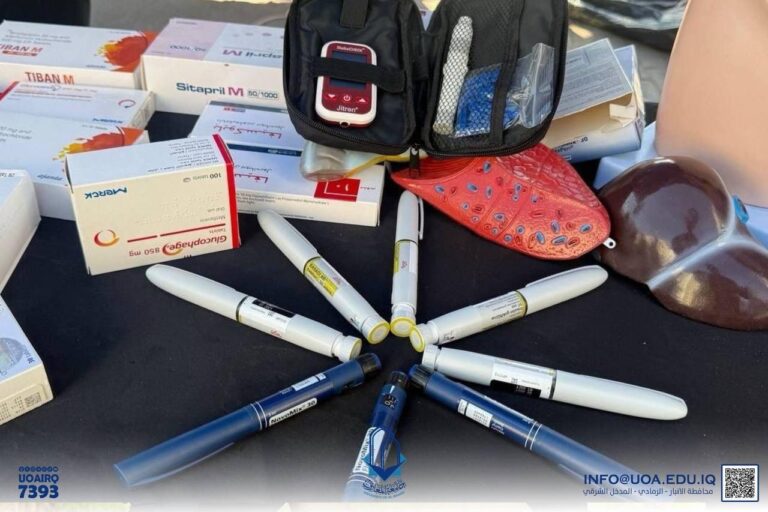
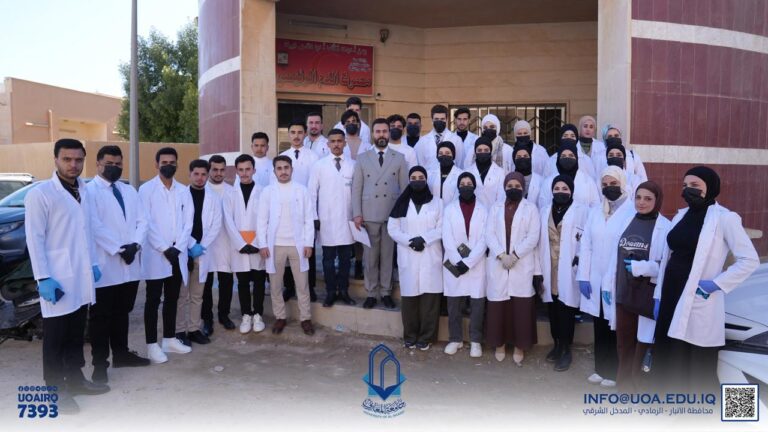
The College of Allied Medical Sciences, Department of Nursing, and Medical Laboratory Department organize recurring community health campaigns addressing public health issues such as diabetes, hypertension, mental health, and maternal care. Programs include:
- Free medical check-ups and consultations.
- Public lectures on disease prevention.
- Awareness campaigns on smoking cessation, nutrition, and mental wellness.
- Field visits to schools and community centers for early health screening.
These activities promote a culture of preventive healthcare and contribute directly to SDG 3 (Good Health and Well-being).
3.2 Environmental Education and Sustainability Workshops
Through its Sustainability and Global Ranking Unit, UOA conducts workshops on:
- Waste reduction and recycling.
- Water conservation and smart landscaping.
- Renewable energy and climate change mitigation.
- Sustainable consumption habits.
Students and faculty collaborate with the Department of Environmental Engineering and local municipalities to implement environmental awareness projects, helping citizens understand the importance of sustainable living.
3.3 Digital Literacy and Technology Training
The College of Engineering and the Information Technology Unit offer free digital skills workshops for the local community. Topics include:
- Basic computer literacy.
- Cybersecurity awareness.
- Introduction to artificial intelligence and data analytics.
- Use of educational and e-learning platforms.
These workshops help bridge the digital divide, empowering citizens to participate in the digital economy and supporting SDG 9 (Industry, Innovation, and Infrastructure).
3.4 Vocational and Professional Development
UOA offers community-oriented professional training sessions through the Continuing Education Center, focusing on:
- Entrepreneurship and small business management.
- English language proficiency.
- Public speaking and communication.
- Time management and leadership development.
By improving employability and entrepreneurial capacity, these programs help reduce unemployment and foster local economic growth.
3.5 Educational Support for Schools
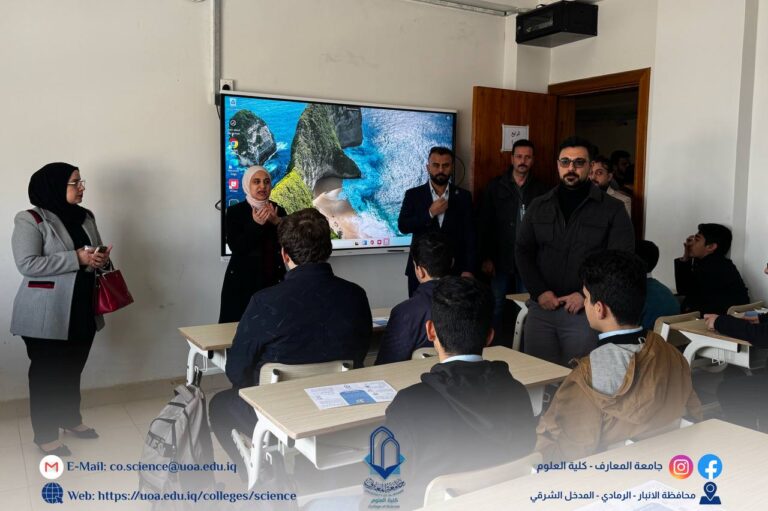
The university frequently collaborates with public schools in Al-Anbar Governorate, offering:
- Teacher training programs in modern pedagogy.
- Science and technology exhibitions led by university students.
- Orientation days for high-school students to explore university life.
- Capacity-building workshops for educators on assessment and learning outcomes.
This outreach reinforces the educational ecosystem of the region and encourages youth to pursue higher education.
3.6 Social and Cultural Awareness
Cultural education is an integral component of community learning at UOA. The university organizes:
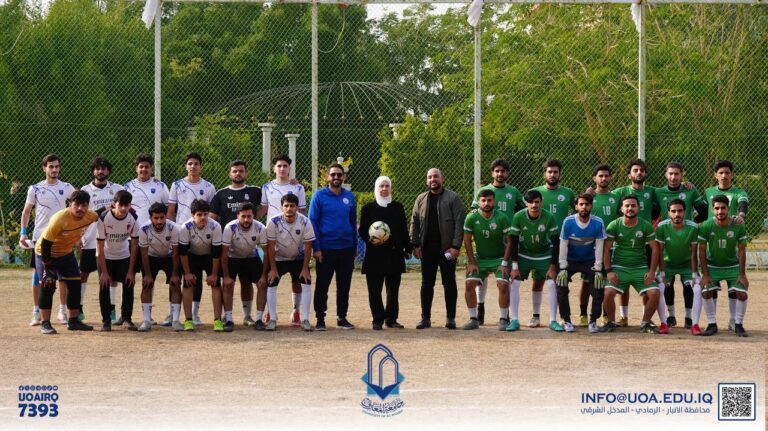
- Seminars on ethics, citizenship, and social responsibility.
- Cultural festivals celebrating diversity and local heritage.
- Workshops promoting gender equality and women’s empowerment.
- Student volunteer programs supporting orphanages, refugee families, and care homes.
Such activities strengthen the cultural fabric of the local community and build bridges between academia and society.
4. Collaboration and Partnerships
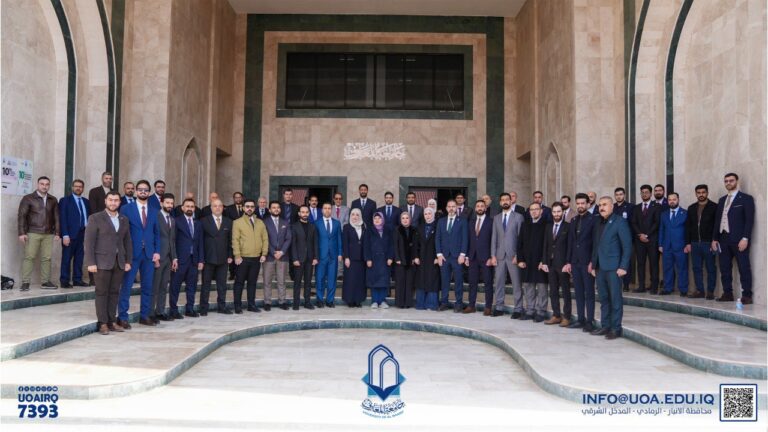
Partnerships form the foundation of UOA’s community education model. The university collaborates with a range of local, national, and international stakeholders, including:
- Ministry of Higher Education and Scientific Research
- Ministry of Health
- Ministry of Education
- Al-Anbar Governorate Council
- Iraqi Red Crescent Society
- World Health Organization (WHO) local offices
- UNESCO-affiliated education networks
Through these partnerships, the university ensures that its community education initiatives are evidence-based, policy-aligned, and scalable.
Additionally, UOA engages with civil society organizations, local schools, and private sector partners to expand outreach and deliver impactful learning experiences.
5. Measuring Community Engagement and Participation
Accurate measurement and reporting are vital to sustaining the quality and impact of UOA’s community education efforts.
5.1 Data Collection and Monitoring
The Deanship of Student Affairs collects quantitative and qualitative data on:
- Number of programs conducted per semester.
- Number of participants (disaggregated by gender and age).
- Types of activities (health, digital literacy, sustainability, etc.).
- Community sectors engaged.
These data points are compiled and verified by the Sustainability and Global Ranking Unit, ensuring alignment with UI GreenMetric indicator 6.5.1 requirements.
5.2 Impact Evaluation
Impact assessments are conducted through post-event surveys, interviews, and community feedback sessions. Key metrics include:
- Participant satisfaction and learning outcomes.
- Behavioral change indicators (e.g., adoption of health or environmental practices).
- Community requests for follow-up sessions or collaborations.
5.3 Reporting and Transparency
Annual outcomes are published in the UOA Sustainability Report and communicated to stakeholders, demonstrating transparency and accountability in achieving educational impact.
6. Digital and Hybrid Community Learning
Recognizing the importance of digital transformation in education, UOA integrates hybrid learning models to expand community access. The e-Learning Center provides an online platform for:
- Broadcasting live lectures and webinars open to the public.
- Offering short online courses with completion certificates.
- Hosting discussion forums and online mentoring sessions.
These platforms enable the university to reach learners across Iraq and the broader Middle East, particularly those in remote or underserved regions.
7. Inclusiveness and Accessibility
UOA’s community education programs are designed to be inclusive and accessible to all, with specific attention to marginalized groups.
7.1 Gender Equality
The university ensures equal participation of women by offering programs focused on:
- Women’s health and rights.
- Female entrepreneurship and leadership.
- Digital empowerment for women and girls.
These initiatives contribute directly to SDG 5 (Gender Equality) and empower women to become agents of positive change.
7.2 Accessibility for People with Disabilities
All educational venues are equipped with accessible pathways, and content is adapted to meet the needs of participants with visual or hearing impairments. Sign language interpretation and captioning are provided during online sessions when possible.
7.3 Youth and Senior Education
Special outreach programs target youth through skill development workshops and senior citizens through literacy and health awareness programs—ensuring that lifelong learning truly encompasses all generations.
8. Capacity Building for Faculty and Students
UOA’s community education success depends on the active involvement of faculty and students as educators, mentors, and volunteers.
- Faculty Members: Provide expertise in program design, content development, and delivery of workshops and seminars.
- Students: Participate in volunteer initiatives through student clubs, such as the Medical Support Society, Environmental Awareness Club, and Youth Leadership Forum.
By engaging directly in community projects, students gain real-world experience, empathy, and leadership skills—enhancing both their academic development and civic consciousness.
9. Research Integration and Knowledge Dissemination
The university connects community education with research through action-based studies and evidence-informed program design. Faculty and graduate students conduct surveys and needs assessments that inform future outreach priorities.
Recent examples include:
- A study on health literacy among rural populations in Al-Anbar.
- A community survey on digital access and education gaps.
- Research on the social impact of student volunteerism in higher education.
Findings from these projects are published in national journals, shared in academic conferences, and integrated into the university’s community education strategies.
10. Education for Sustainable Development (ESD)
UOA integrates the principles of Education for Sustainable Development across all community programs to raise awareness of environmental protection, responsible resource use, and climate adaptation.
ESD-focused community initiatives include:
- Workshops on sustainable agriculture and water conservation.
- Campaigns promoting eco-friendly behaviors (e.g., reducing plastic use).
- Seminars on climate change and green technologies.
- Student-led projects on recycling and renewable energy awareness.
By linking education with sustainability, UOA prepares communities to adopt environmentally responsible practices, supporting Iraq’s National Environmental Strategy.
11. Communication and Outreach Methods
To ensure maximum reach, UOA employs diverse communication channels:
- Official Website and Social Media: Publishing upcoming events, registration links, and awareness materials.
- Local Media Collaboration: Coverage through TV, radio, and newspapers to reach non-digital audiences.
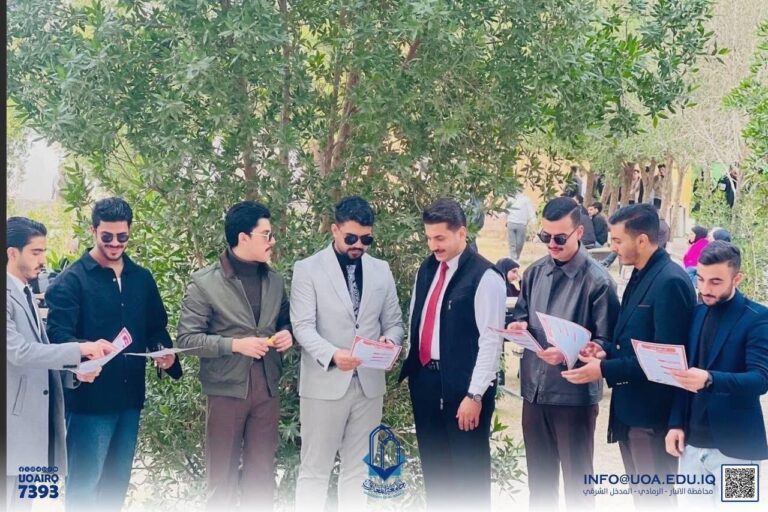
- Public Notices and Flyers: Distributed across neighborhoods, schools, and community centers.
- Community Partnerships: Leveraging NGO networks for broader participation.
This multi-channel outreach ensures that educational opportunities are accessible and visible to all community members.
12. Quantitative Summary (Sample Annual Data)
| Category | No. of Programs (2024) | Participants | Focus Areas |
|---|---|---|---|
| Health Awareness | 15 | 2,500+ | Public health, nutrition, disease prevention |
| Environmental Sustainability | 10 | 1,200 | Waste management, green energy |
| Digital Literacy | 8 | 1,100 | Basic IT, cybersecurity, AI introduction |
| Professional Development | 12 | 900 | Entrepreneurship, English, communication |
| Educational Support | 7 | 600 | School teacher training, student mentoring |
| Cultural & Social Programs | 9 | 800 | Gender equality, social inclusion |
| Total (Annual) | 61 | 7,100+ | Cross-sectoral learning impact |
These figures illustrate the wide-reaching and inclusive nature of UOA’s community education portfolio.
13. Governance, Policy, and Sustainability Integration
The University of Al-Maarif Community Education Policy (UOA-CEP-2023) establishes the framework for planning and monitoring community learning activities. Key policy components include:
- Integration of community education into the university’s Strategic Plan 2025–2030.
- Annual performance indicators linked to SDG reporting metrics.
- Encouragement of faculty-community partnerships.
- Requirement for every academic department to conduct at least two community outreach events annually.
This policy ensures that community engagement is institutionalized, sustainable, and measurable.
14. Recognition and Impact
UOA’s community education efforts have received recognition from local authorities and partner organizations for their measurable social and environmental impact. Testimonials from community participants and partner institutions highlight the university’s role as a trusted source of knowledge and innovation in Al-Anbar.
The outcomes of these programs include:
- Increased public awareness of health and environmental issues.
- Improved digital literacy among youth and women.
- Strengthened collaboration between academia and civil society.
- Enhanced institutional reputation as a community-focused university.
15. Future Plans
The University of Al-Maarif is committed to expanding and enhancing its community education programs through the following initiatives:
- Establishment of the UOA Center for Lifelong Learning – A specialized hub offering certified short courses and e-learning opportunities for the public.
- Launch of the Green Education Academy – Focused on sustainability and environmental capacity building.
- Development of a Mobile Learning Unit – To deliver educational workshops in remote and rural areas.
- Community Education Research Journal – Publishing case studies and best practices in civic learning and outreach.
- Partnership Expansion – Strengthening collaboration with international universities and NGOs for global knowledge exchange.
These initiatives will further embed the principles of inclusive education and sustainability within the university’s operational framework.
Conclusion
The University of Al-Maarif (UOA) stands as a beacon of inclusive and transformative education in Iraq, leveraging its academic expertise and social responsibility to empower communities through knowledge. By integrating teaching, research, and civic engagement, UOA ensures that education extends beyond classrooms—reaching those who need it most.
Its comprehensive Community Education Programs embody the university’s vision of fostering lifelong learning, sustainable development, and community well-being. Through ongoing partnerships, rigorous measurement, and a deep commitment to the UN Sustainable Development Goals, UOA continues to inspire positive change—building an informed, capable, and resilient society that thrives on knowledge, equity, and sustainability.