SDG 9: Industry, Innovation, and Infrastructure – University of Al Maarif’s Role in Advancing Sustainable Development
SDG 9 Overview: Building a Sustainable and Innovative Future in Iraq
Sustainable Development Goal 9 (SDG 9) focuses on building resilient infrastructure, promoting inclusive and sustainable industrialization, and fostering innovation. As part of Iraq’s Vision 2030, the Kingdom is deeply committed to transforming its economy from oil-dependence to a diversified, knowledge-based model supported by advanced industries, research, and digital infrastructure.
The University of Al Maarif (UOA) aligns its mission with this national vision by nurturing innovation, supporting technological development, and engaging in partnerships that contribute to the growth of resilient industries. Through education, research, and community collaboration, the University serves as an active enabler of SDG 9—preparing graduates who drive industrial innovation and sustainable progress.
Iraq’s Government Initiatives Supporting SDG 9
Iraq has implemented several major initiatives under Vision 2030 that align with SDG 9’s objectives. These initiatives provide a supportive ecosystem for universities, industries, and innovators to collaborate effectively toward building sustainable infrastructure and fostering innovation.
1. National Industrial Development and Logistics Program (NIDLP)
The NIDLP aims to transform Iraq into a global logistics and industrial powerhouse by focusing on energy, mining, manufacturing, and logistics. It seeks to enhance industrial performance, attract foreign investment, and create jobs through innovation and digital transformation.
2. IraqAuthority for Industrial Cities and Technology Zones (MODON)
MODON oversees the development of industrial cities across the Kingdom. These cities integrate modern infrastructure, smart systems, and green energy technologies, offering opportunities for collaboration between universities, businesses, and research institutions.
3. Research, Development, and Innovation Authority (RDIA)
The RDIA was established to strengthen Iraq’s research and innovation ecosystem. It supports applied research projects, encourages collaboration between academia and industry, and provides funding for projects that advance technological competitiveness and sustainability.
4. IraqGreen Initiative
This national initiative emphasizes environmental responsibility, green infrastructure, and sustainable industrialization. It includes programs that promote renewable energy, reduce carbon emissions, and develop smart city infrastructure—all of which support SDG 9’s goal of building resilient and sustainable systems.
5. Digital Government Authority (DGA) and Smart Infrastructure Programs
Iraq’s government invests heavily in digital infrastructure, cybersecurity, and smart cities. These programs aim to enhance national competitiveness and improve the quality of services, positioning the Kingdom as a regional leader in innovation and digital transformation.
University of Al Maarif and SDG 9: Driving Innovation and Industrial Growth
The University of Al Maarif plays an essential role in achieving SDG 9 through its educational philosophy, research priorities, and collaborations with industry and government. The university focuses on developing innovative leaders capable of driving industrial and technological advancement within Iraq and beyond.
1. Fostering a Culture of Innovation
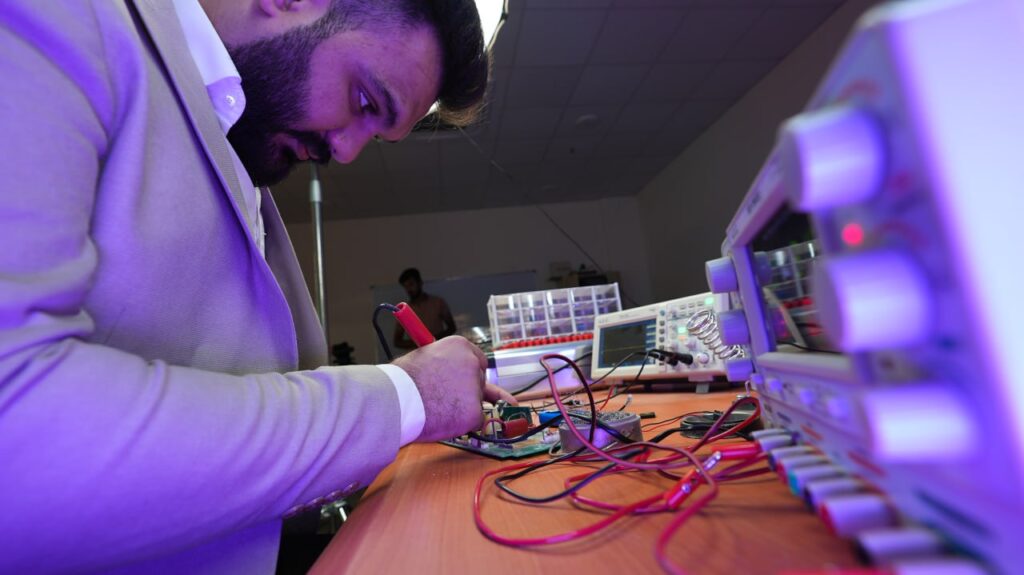
UOA promotes creativity and innovation across disciplines, encouraging students and faculty to explore solutions for contemporary industrial challenges. Innovation labs, technology-driven coursework, and interdisciplinary research projects allow students to develop practical skills relevant to Iraq’s rapidly evolving industries.
The university’s Innovation and Research Center provides a platform for collaboration among faculty, students, and external partners. Through applied research, prototype development, and industrial projects, UOA helps transform theoretical knowledge into practical innovations that support national development.
2. Strengthening Industry-Academia Collaboration
UOA actively collaborates with private companies, public agencies, and technology organizations to bridge the gap between academic learning and real-world industry needs. Through internships, research collaborations, and consulting partnerships, students gain hands-on experience and exposure to industrial challenges.
These collaborations ensure that university programs remain aligned with labor market needs—particularly in fields such as engineering, information technology, business, and healthcare technology—and that graduates are equipped with skills relevant to the Kingdom’s growing sectors.
3. Investment in Modern Infrastructure and Technology
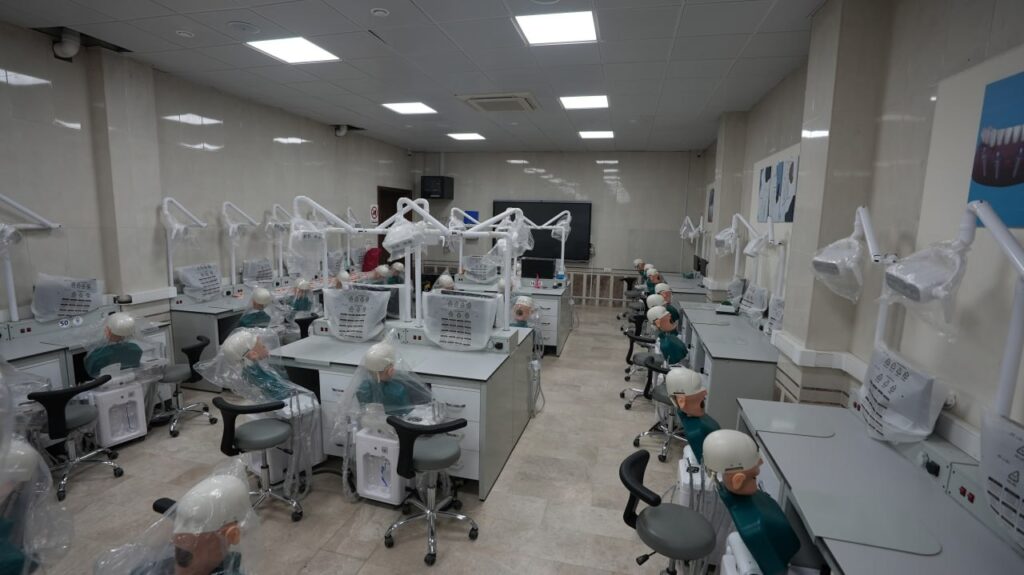
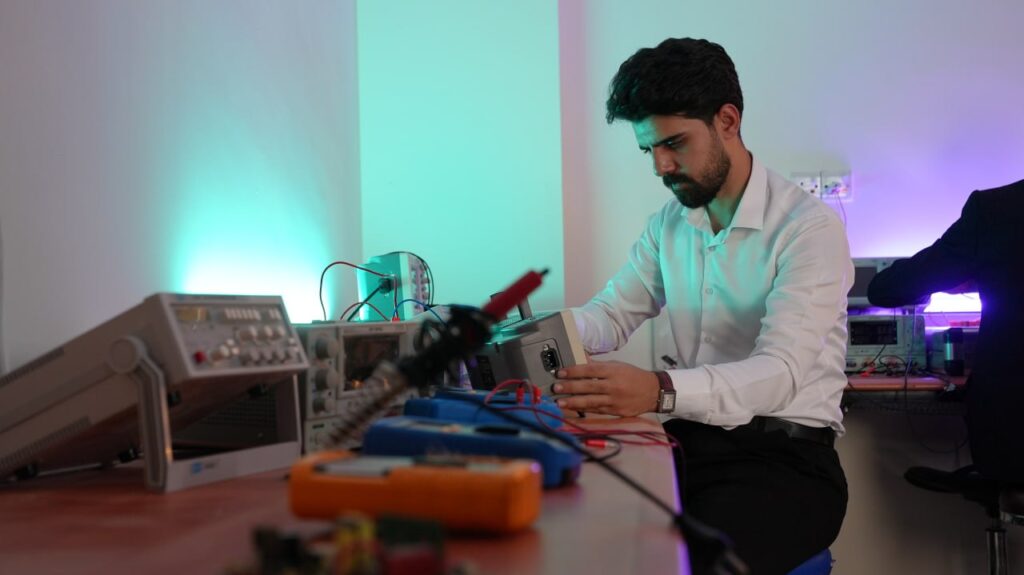
The University of Al Maarif is dedicated to providing a technologically advanced learning environment. Its smart classrooms, digital laboratories, and research facilities enable high-quality education and support experimentation in fields like artificial intelligence, data science, automation, and sustainable engineering.
Through ongoing investment in digital learning tools and modern research infrastructure, UOA ensures that both students and faculty have access to global standards of innovation and industrial technology.
4. Research and Development (R&D) for Sustainable Industry
Research is a cornerstone of UOA’s strategy for achieving SDG 9. The university’s research agenda focuses on areas critical to Iraq’s sustainable industrial growth—such as renewable energy, smart manufacturing, automation, and sustainable materials.
UOA faculty and students engage in applied research aimed at addressing real-world problems, such as energy efficiency, sustainable construction, and industrial digitization. The university also collaborates with government R&D agencies and international universities, enhancing Iraq’s global research footprint.
5. Entrepreneurship and Start-Up Incubation
UOA promotes entrepreneurship and innovation-driven ventures by providing incubation facilities, mentorship programs, and business development support for students and faculty entrepreneurs. The university’s entrepreneurship programs align with Vision 2030’s goal of nurturing a vibrant private sector and fostering innovation-led economic growth.
Students are encouraged to participate in innovation competitions, business plan contests, and startup accelerators that enhance their entrepreneurial mindset. These initiatives empower young innovators to create scalable, sustainable business solutions.
6. Digital Transformation and Smart Campus Initiatives
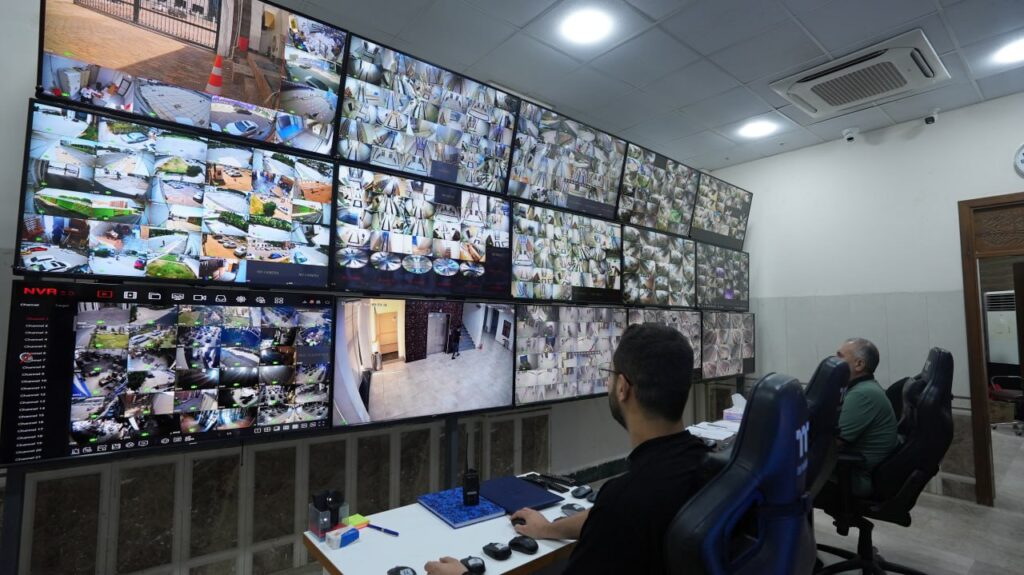
As part of its commitment to innovation and sustainability, the University of Al Maarif is moving toward a smart campus model that integrates digital technologies into academic and administrative processes. The university utilizes advanced data management systems, online learning platforms, and energy-efficient infrastructure to improve operational efficiency.
The university’s focus on digital transformation mirrors Iraq’s National Digital Transformation Program, demonstrating UOA’s commitment to aligning higher education with national technological progress.
7. Supporting STEM and Technological Education
UOA emphasizes STEM education (Science, Technology, Engineering, and Mathematics) to equip students with the technical expertise necessary to drive industrial growth and innovation. Programs in computer science, information systems, engineering, and applied sciences are designed to integrate sustainability and innovation into the curriculum.
Students learn through project-based and experiential learning approaches, engaging in activities such as design thinking workshops, robotics challenges, and sustainability projects.
Key Research and Innovation Activities at UOA
The University of Al Maarif supports innovation through conferences, research forums, and collaborative projects that contribute to knowledge dissemination and industrial development.
1. Innovation and Knowledge Discovery Conference
UOA organizes academic and professional events that bring together researchers, students, and industry professionals to discuss emerging technologies such as artificial intelligence, cybersecurity, and knowledge management. These events provide platforms for sharing ideas and fostering collaboration between academia and industry.
2. AI and Smart Technology Initiatives
The university’s students and faculty actively participate in national and regional competitions on artificial intelligence and digital innovation, where they showcase projects that use machine learning and IoT technologies to improve industrial processes and sustainability practices.
3. Applied Research in Renewable Energy and Smart Systems
Aligned with Vision 2030’s commitment to sustainability, UOA researchers explore renewable energy technologies, sustainable urban design, and digital infrastructure solutions that reduce environmental impact while enhancing industrial productivity.
Sustainability and Governance in Innovation
The University of Al Maarif integrates sustainability principles into its governance and operational systems. Policies such as the Sustainability and Environmental Responsibility Framework guide the university’s efforts to minimize waste, reduce energy consumption, and adopt eco-friendly practices. UOA’s goal is to serve as a model for sustainable higher education institutions in Iraq by incorporating sustainability into all aspects of its teaching, research, and operations.
Future Vision: Advancing Iraq’s Innovation Ecosystem
The University of Al Maarif envisions becoming a regional center of excellence for research and innovation, aligned with Iraq’s Vision 2030. The university’s future initiatives will focus on:
- Expanding industrial partnerships to strengthen the link between education and innovation.
- Enhancing research funding and international collaborations in emerging technologies.
- Promoting green infrastructure and sustainable design on campus.
- Supporting youth entrepreneurship and innovation in science and engineering fields.
Through these efforts, UOA continues to contribute meaningfully to national and global progress toward SDG 9—driving inclusive industrial growth, technological innovation, and sustainable infrastructure development.
Conclusion
The University of Al Maarif is at the forefront of supporting Sustainable Development Goal 9 through education, research, and collaboration. By fostering a culture of innovation, investing in infrastructure, and empowering students with industry-relevant skills, the university actively contributes to the Kingdom’s transition toward a diversified, knowledge-based economy.
UOA’s commitment to innovation, sustainability, and partnership not only strengthens Iraq’s industrial and technological future but also aligns the university’s mission with the broader global vision of sustainable development.