
Introduction
The University of Al-Maarif (UoA) affirms its institutional commitment to gender equality, women’s empowerment, and equitable access to education, employment, and leadership opportunities. As part of its strategic alignment with the United Nations Sustainable Development Goals—particularly SDG 5: Gender Equality, SDG 4: Quality Education, and SDG 10: Reduced Inequalities—the university has developed and implemented a comprehensive Women Access Policy designed to eliminate barriers, prevent discrimination, and create a supportive learning and working environment for all women across the institution.
This policy reflects the university’s recognition that women play a pivotal role in fostering academic excellence, advancing research, contributing to social development, and enriching campus life. By ensuring that women have equitable access to resources, opportunities, and institutional services, UoA continues to build a strong culture of inclusion and fairness, enabling all female students, academics, and staff members to fully reach their potential.
The Women Access Policy was developed through a collaborative process involving the Gender Equality Office, the Deanship of Student Affairs, the Human Resources Department, and the Quality Assurance and Accreditation Directorate. The policy is reviewed annually to ensure alignment with national regulations, global best practices, and emerging needs within the university community.
2. Purpose of the Policy
The primary purpose of the Women Access Policy is to establish a clear institutional framework that guarantees equitable opportunities and removes structural, cultural, and administrative obstacles that limit women’s participation at all academic and professional levels. The policy seeks to:
- Ensure that women have equal access to higher education at undergraduate and postgraduate levels.
- Promote women’s participation in academic employment, leadership roles, and governance structures.
- Provide mechanisms for tracking women’s enrollment, performance, and graduation outcomes.
- Protect women from discrimination, harassment, or exclusion in any academic or administrative setting.
- Strengthen support systems—academic, psychological, social, and financial—to empower women’s success.
- Improve institutional transparency through reporting, monitoring, and accountability.
- Align university operations with national gender policies and international sustainability frameworks.
3. Scope of the Policy
This policy applies to all categories of women affiliated with the University of Al-Maarif, including:
- Female Students:
Undergraduate, postgraduate, international, and visiting students. - Female Academics:
Lecturers, assistant professors, associate professors, full professors, and research staff. - Female Administrative Staff:
Employees working in administrative, technical, and support units. - Prospective Students and Job Applicants:
Women seeking admission or applying for employment at UoA.
The policy governs recruitment, admission, instruction, research participation, leadership opportunities, promotions, campus services, and grievance procedures.
4. Guiding Principles
The Women Access Policy operates according to the following principles:
4.1 Equality and Non-Discrimination
No woman shall be excluded or disadvantaged based on gender, marital status, pregnancy, socioeconomic background, or cultural identity.
4.2 Fair Access
Women must have equitable access to academic programs, scholarships, professional development, research grants, and employment opportunities.
4.3 Safety and Respect
The university commits to maintaining a safe environment free from violence, harassment, intimidation, or sexism.
4.4 Transparency
All processes—admission, recruitment, promotion, assessment—must be based on merit and governed by clear, fair criteria.
4.5 Empowerment
The institution invests in programs that enhance women’s competencies, leadership, confidence, and academic excellence.
5. Policy Components
5.1 Equal Admission and Academic Access
The University of Al-Maarif ensures that women have equal access to all academic programs across faculties, without restrictions or biases. Admission decisions are based purely on academic qualifications and not influenced by gender-related factors.
To support this goal, the university:
- Monitors women’s enrollment rates across departments.
- Implements outreach programs to encourage women to apply to STEM, health sciences, and leadership-oriented programs.
- Ensures women have equal access to laboratory resources, academic advising, e-learning platforms, and extracurricular activities.
5.2 Women Access Tracking System
The university has established a structured mechanism to evaluate women’s access across academic, administrative, and leadership domains. The tracking system includes:
- Enrollment rates of female students by program and year.
- Academic performance indicators (GPA, retention rates, completion rates).
- Participation in internships, research projects, and innovation events.
- Employment distribution of women across academic and administrative positions.
- Representation of women in decision-making bodies (councils, committees, boards).
Annual reports are prepared by the Gender Equality Office and submitted to the University Council to ensure transparency and accountability.
5.3 Employment and Academic Leadership Access
The University of Al-Maarif supports women’s progression in higher education careers through:
- Transparent, non-discriminatory recruitment processes.
- Equal access to promotions, tenure opportunities, and committee memberships.
- Leadership development programs to prepare women for roles such as department heads, deans, and research directors.
- Research funding reserved for projects led by female academics.
- Sabbatical and study-leave opportunities aligned with international best practices.
5.4 Women-Friendly Work Environment
The university maintains policies that ensure a supportive work environment, including:
- Flexible working arrangements when appropriate.
- Protection for pregnant women and new mothers.
- Equal access to professional development workshops and training.
- Anti-harassment frameworks and clear reporting channels through the Ethics and Integrity Office.
5.5 Student Support Systems
Female students are provided with:
- Academic advising tailored to women’s educational needs.
- Scholarships and financial aid programs for high-achieving and economically disadvantaged women.
- Psychological support offered through the Center for Psychological Care.
- Campus childcare facilities to support student mothers.
- Transportation services that ensure safe commuting.
5.6 Anti-Discrimination and Protection Measures
The university prohibits gender-based discrimination, harassment, or violence. This includes verbal abuse, exclusion, unwanted advances, bullying, or any behavior that undermines women’s dignity or academic success. A zero-tolerance policy is enforced with confidential reporting pathways and disciplinary action for offenders.
6. Support Programs and Initiatives
6.1 Women’s Mentoring Program
The mentoring program pairs female students and staff with experienced academic mentors who provide guidance in:
- Career planning
- Research skills
- Networking
- Leadership development
- Work-life balance strategies
This initiative helps women navigate academic challenges and prepares them for future professional success.
6.2 Capacity-Building Workshops for Women
The university hosts workshops and seminars on:
- Digital skills and research methodologies
- Academic publishing
- Entrepreneurship and innovation
- Leadership and communication
- Personal development and confidence building
These workshops empower women to enhance their academic and career trajectories.
6.3 Awareness and Cultural Programs
To build a supportive campus culture, UoA organizes:
- Gender equality campaigns
- Inclusion-focused events
- Dialogues addressing societal stereotypes
- Training on women’s rights and national legal protections
- Faculty workshops on gender-sensitive teaching
These programs help reinforce a culture of mutual respect.
7. Facilities and Services Supporting Women
7.1 Childcare Facilities
The university provides accessible childcare support for female staff and students with young children to ensure they can balance academic or professional responsibilities.
7.2 Safe Campus Facilities
- Well-lit pathways
- Secure transportation zones
- Female-only rest areas
- Accessible health services
These features promote a safe university environment.
7.3 Healthcare Services
Women have access to:
- Reproductive health counseling
- Mental health services
- Preventive care workshops
- Screening programs
Delivered through the Women’s Health Unit at the College of Nursing.
8. Monitoring, Evaluation, and Accountability
8.1 Annual Gender Equity Report
The Gender Equality Office prepares data-driven reports on:
- Enrollment and graduation patterns
- Employment and promotion of female staff
- Barriers to women’s participation
- Program effectiveness
- Improvement recommendations
8.2 Key Performance Indicators (KPIs)
KPIs include:
- Percentage of female students and staff
- Proportion of women in leadership positions
- Women’s graduation rates
- Participation in research and professional development
9. Partnerships and External Collaboration
The University of Al-Maarif collaborates with:
- Government ministries
- NGOs focused on women’s rights
- International academic networks
- Professional training institutions
These partnerships strengthen the university’s gender policy and expand external opportunities for women.
10. Continuous Improvement
The Women Access Policy undergoes systematic review to:
- Incorporate institutional feedback
- Address evolving challenges
- Align with global best practices
- Strengthen accountability mechanisms
The university remains committed to building a more equitable, inclusive, and empowering environment for all women.
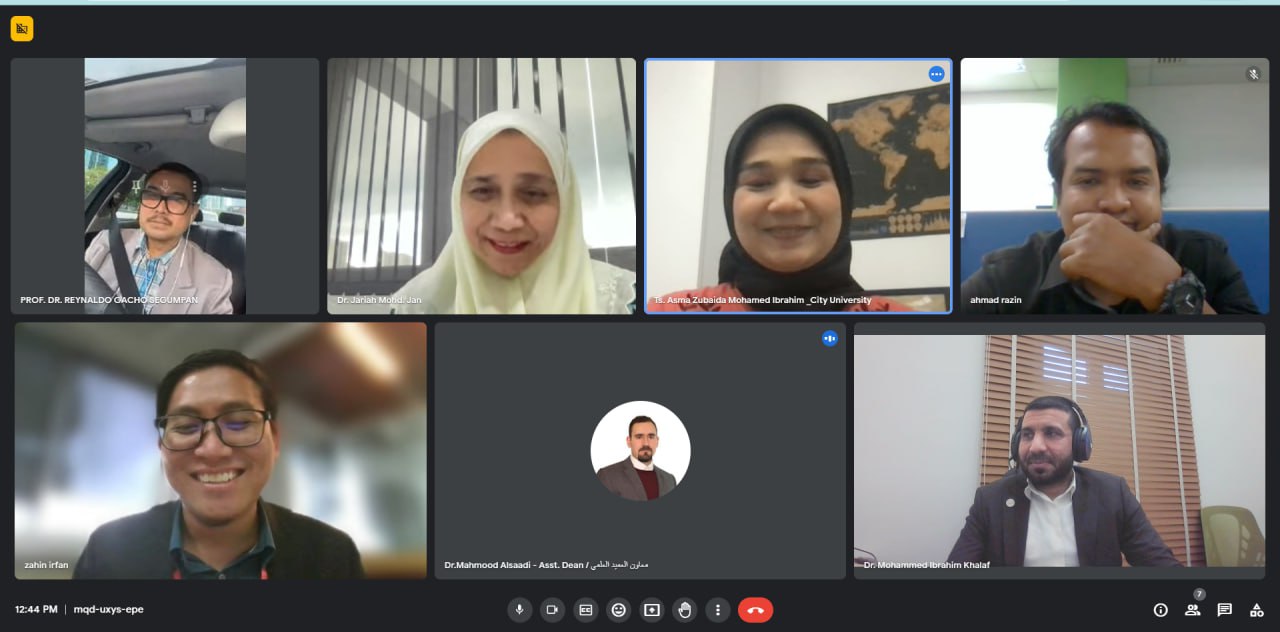
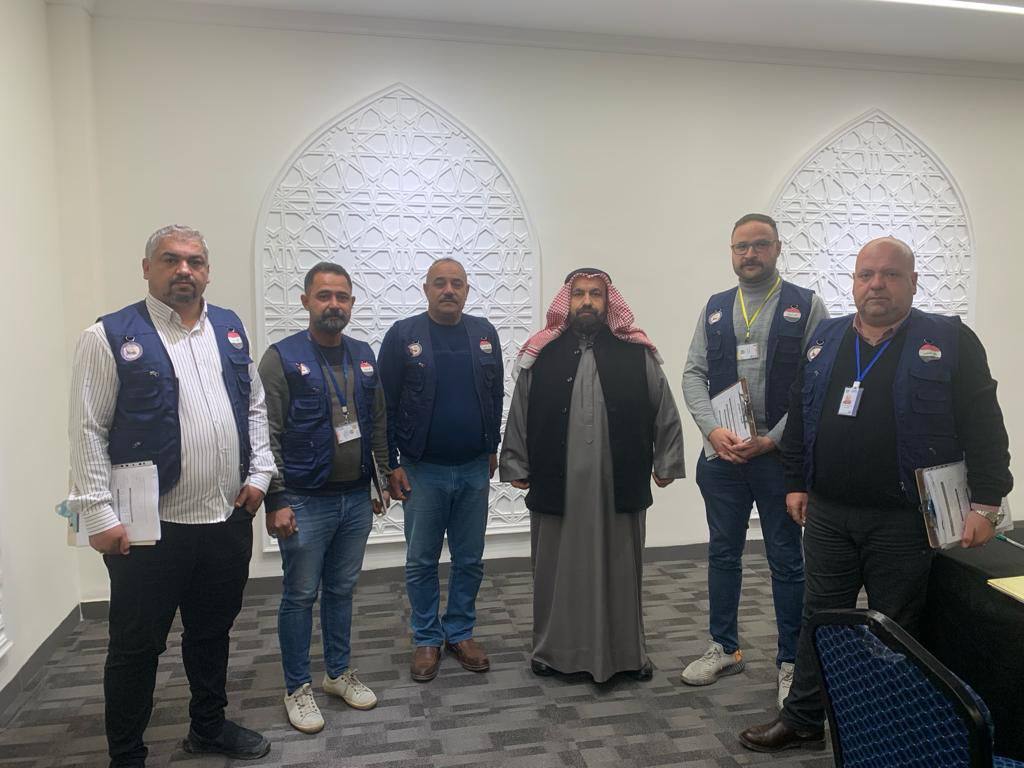
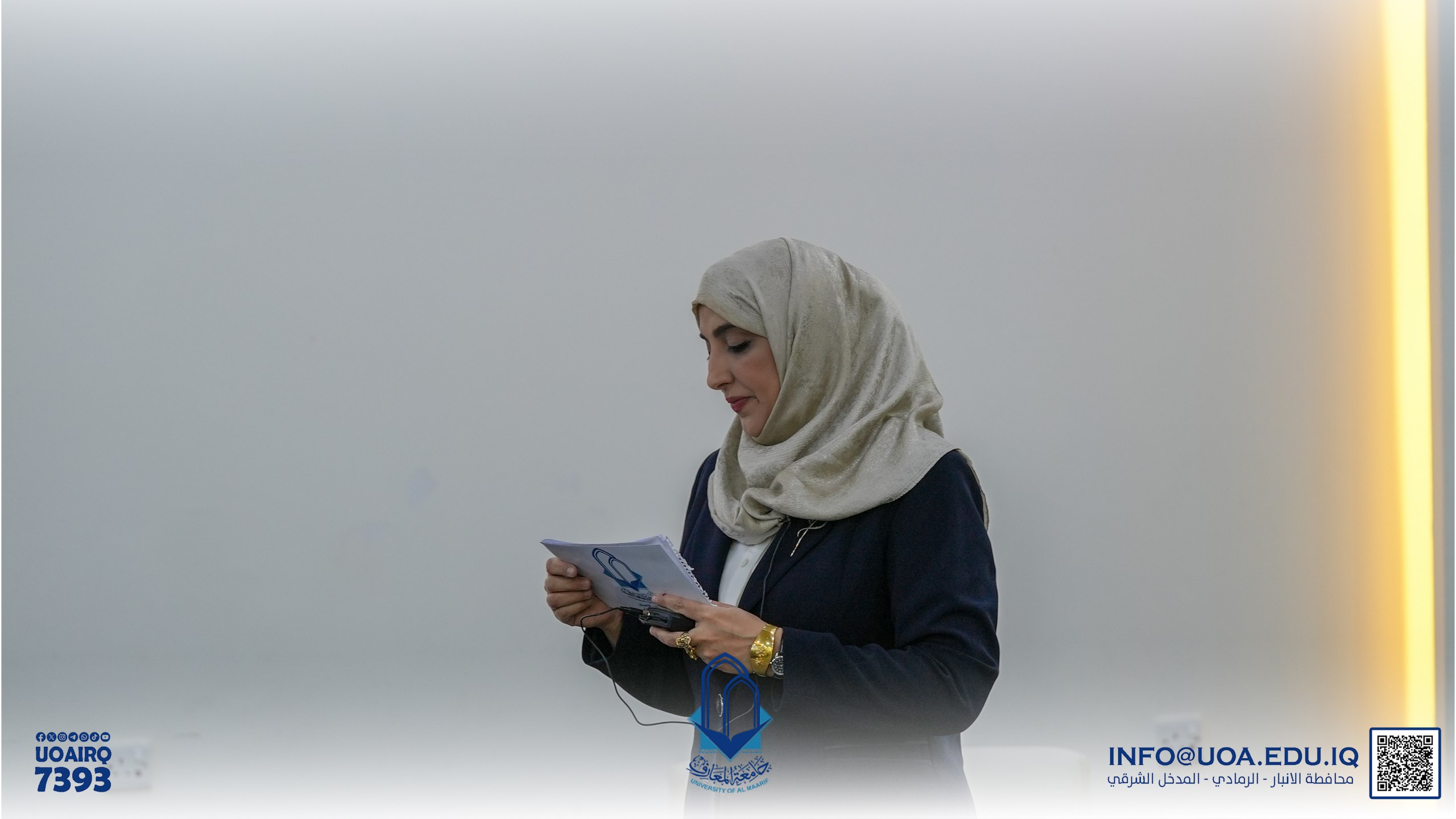
Al-Maarif University: Promoting Women’s Inclusion in Higher Education |
Al-Maarif University implements a comprehensive policy supporting women in higher education, covering application, admission, and participation. It removes barriers, provides necessary support, and fosters an inclusive environment that promotes academic excellence and personal growth. These efforts reaffirm the university’s commitment to gender equality and a diverse, empowering academic community. |