Introduction:

The University of Al-Maarif (UOA) demonstrates a growing and strategic commitment to advancing SDG 3 – Good Health and Well-being through a diverse portfolio of research activities, scholarly publications, and interdisciplinary collaborations. Health-related research at UOA spans multiple academic fields, including medical laboratory sciences, nursing, pharmacy, biomedical engineering, public health, sports sciences, psychology, and digital health applications, reflecting an integrated approach to improving individual and community well-being across the region.

UOA systematically maps, documents, and evaluates its research outputs in alignment with the United Nations Sustainable Development Goals. The Sustainability and Global Ranking Unit maintains a continuously updated research database that records all publications addressing major health priorities such as chronic disease prevention, mental health support, healthy aging, community health promotion, rehabilitation sciences, and medical technology innovation. These publications include peer-reviewed journal articles, conference proceedings, funded research projects, and applied community-based studies.

The university’s research strategy promotes multidisciplinary collaboration, encouraging cooperation across faculties and research centers, as well as partnerships with hospitals, governmental health directorates, NGOs, and international academic institutions. This approach ensures that UOA’s research efforts go beyond theoretical contributions to create practical, evidence-based solutions that benefit local communities and enhance public health services.

By prioritizing research quality, societal relevance, and real-world application, the University of Al-Maarif positions itself as a regional contributor to scientific advancement and health system strengthening. These research efforts directly advance SDG 3, while also supporting interconnected goals such as:

  • SDG 4 – Quality Education, through research-driven curricula and academic enrichment

  • SDG 9 – Industry, Innovation, and Infrastructure, by developing health technologies and diagnostic tools

  • SDG 17 – Partnerships for the Goals, through sustained cooperation with national and international institutions

Through this ongoing commitment, UOA continues to play a meaningful role in improving health outcomes, expanding medical knowledge, and promoting sustainable development within Iraq and the wider region.

# Research Title Link
1
Reinforced concrete deep beam shear strength capacity modelling using an integrative bio-inspired algorithm with an artificial intelligence model
2
Comprehensive review on the Bis–heterocyclic compounds and their anticancer efficacy
3
Application of extracellular vesicles derived from mesenchymal stem cells as potential therapeutic tools in autoimmune and rheumatic diseases
4
Cytotoxicity evaluation of environmentally friendly synthesis Copper/Zinc bimetallic nanoparticles on MCF-7 cancer cells
5
Shining the light on clinical application of mesenchymal stem cell therapy in autoimmune diseases
6
Effects of sulfur dioxide inhalation on human health: A review
7
Anticancer Drug-Loading Capacity of Green Synthesized Porous Magnetic Iron Nanocarrier and Cytotoxic Effects Against Human Cancer Cell Line
8
Engineering and surface modification of carbon quantum dots for cancer bioimaging
9
Application of aluminum nitride nanotubes as a promising nanocarriers for anticancer drug 5-aminosalicylic acid in drug delivery system
10
Development of ensemble machine learning approaches for designing fiber-reinforced polymer composite strain prediction model
A Research Team Students of UOA at Dialysis Centers
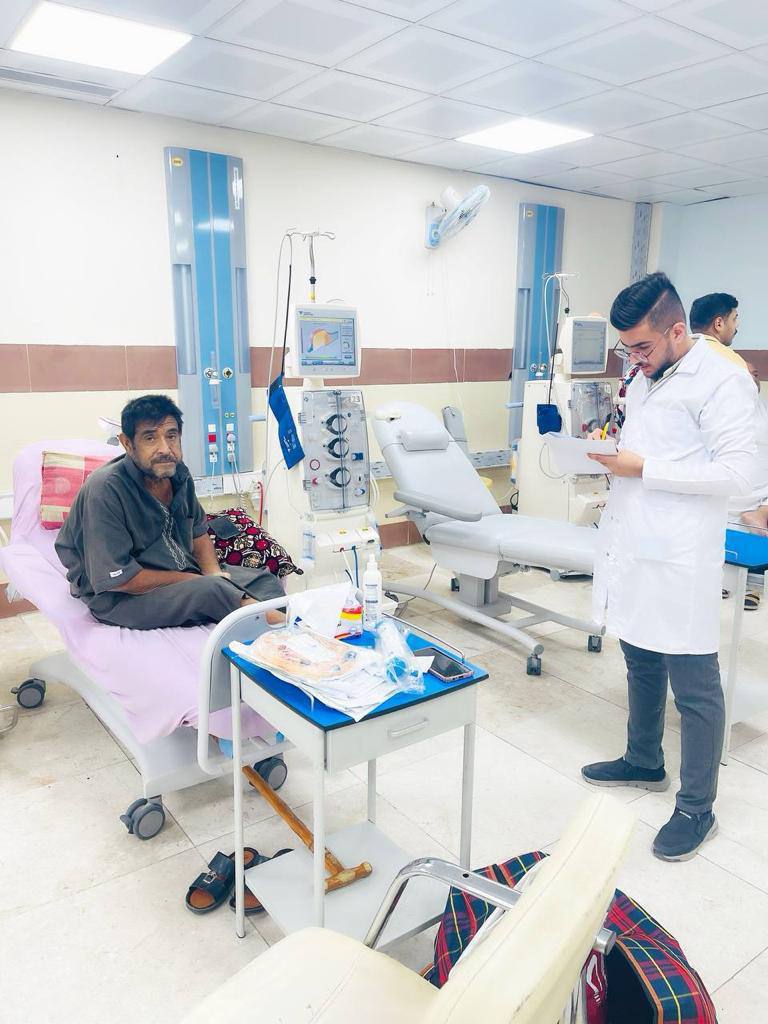
On 11th October 2025, a student research team from the Department of Pharmacy at Al-Maarif University visited dialysis centers across Al-Anbar to support their ongoing research study. The students interacted directly with dialysis patients and collected data using a carefully designed questionnaire to investigate the causes behind the increasing incidence of renal insufficiency in the governorate. The visit enabled students to gather accurate, firsthand information, analyze risk factors, and identify patterns contributing to kidney disease. This field research enhanced students’ practical skills in healthcare studies, supported evidence-based findings, and contributed to improving public health awareness and interventions in the local community.
A Scientific Seminar entitled (Impact of the Fall of Older Persons on their Quality of Life)
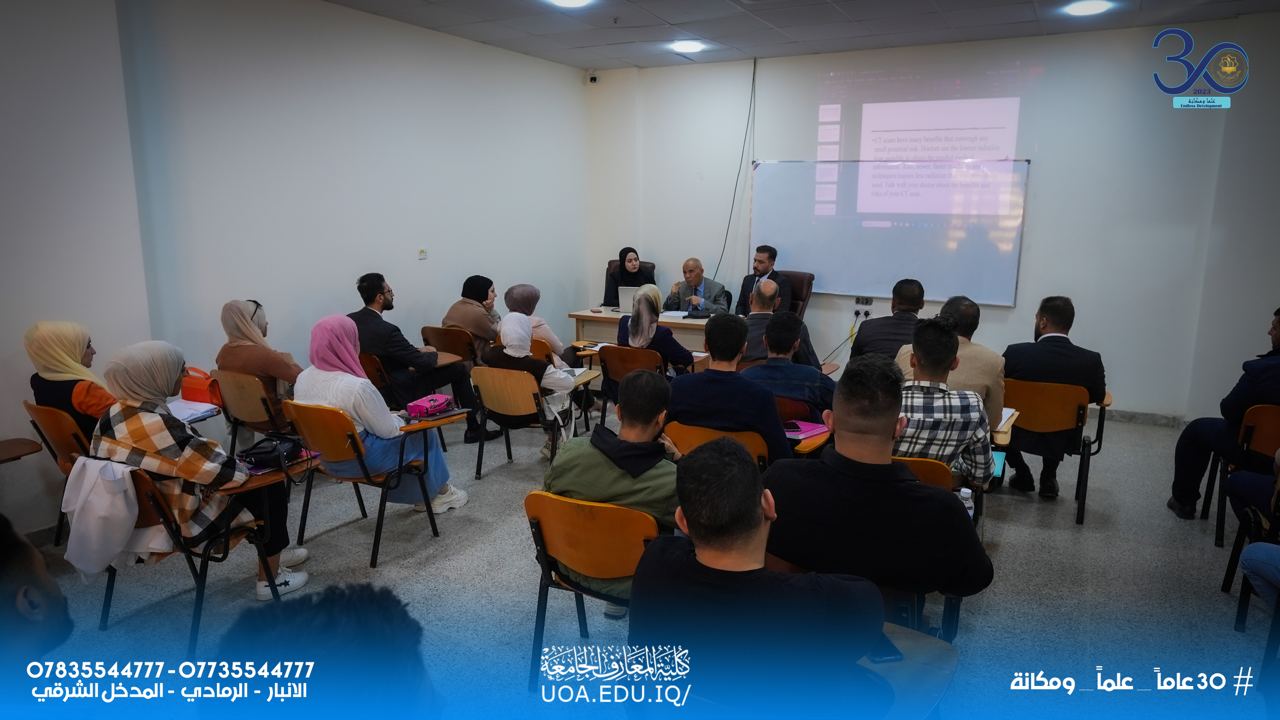
On 22nd November 2023, the Department of Nursing at Al-Maarif University College held a scientific seminar titled “Impact of the Fall of Older Persons on their Quality of Life”, presented by Asst. Lec. Muath Ahmed Khalaf. The session explored common causes of falls among older adults, preventive strategies, and practical recommendations to maintain health and well-being. Attendees learned about interventions to reduce age-related health risks and improve life quality. The seminar emphasized education, awareness, and evidence-based approaches to support older persons in leading safer, healthier lives.
The Seminar of Medical Laboratories Techniques on the Risks of Electronic Cigarettes
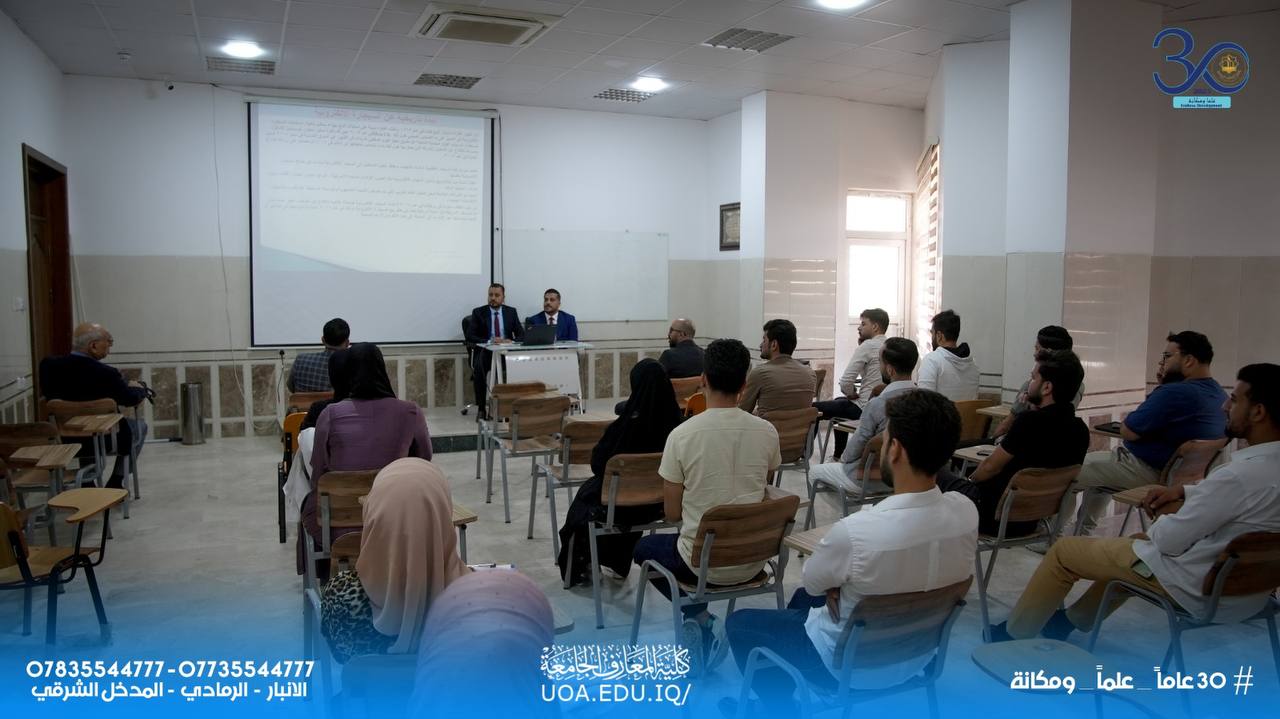
On Saturday, 4 November 2023, the Department of Medical Laboratories Techniques at Al-Maarif University College organized a scientific seminar titled “The Danger of E-Cigarettes on Society.” The seminar was delivered by Asst. Dr. Mohammed Abood Mohammed and Asst. Lec. Mohammed Hashim Mohammed. It highlighted the components and types of e-cigarettes, emphasizing their psychological and health risks. The speakers explained that nicotine causes addiction and lung diseases, noting harmful substances such as diacetyl that damage the respiratory system. Health effects discussed included lung damage, dizziness, seizures, depression, and abnormal brain development. Preventive measures included quitting determination, avoiding smoking triggers, prioritizing health, and seeking family support.
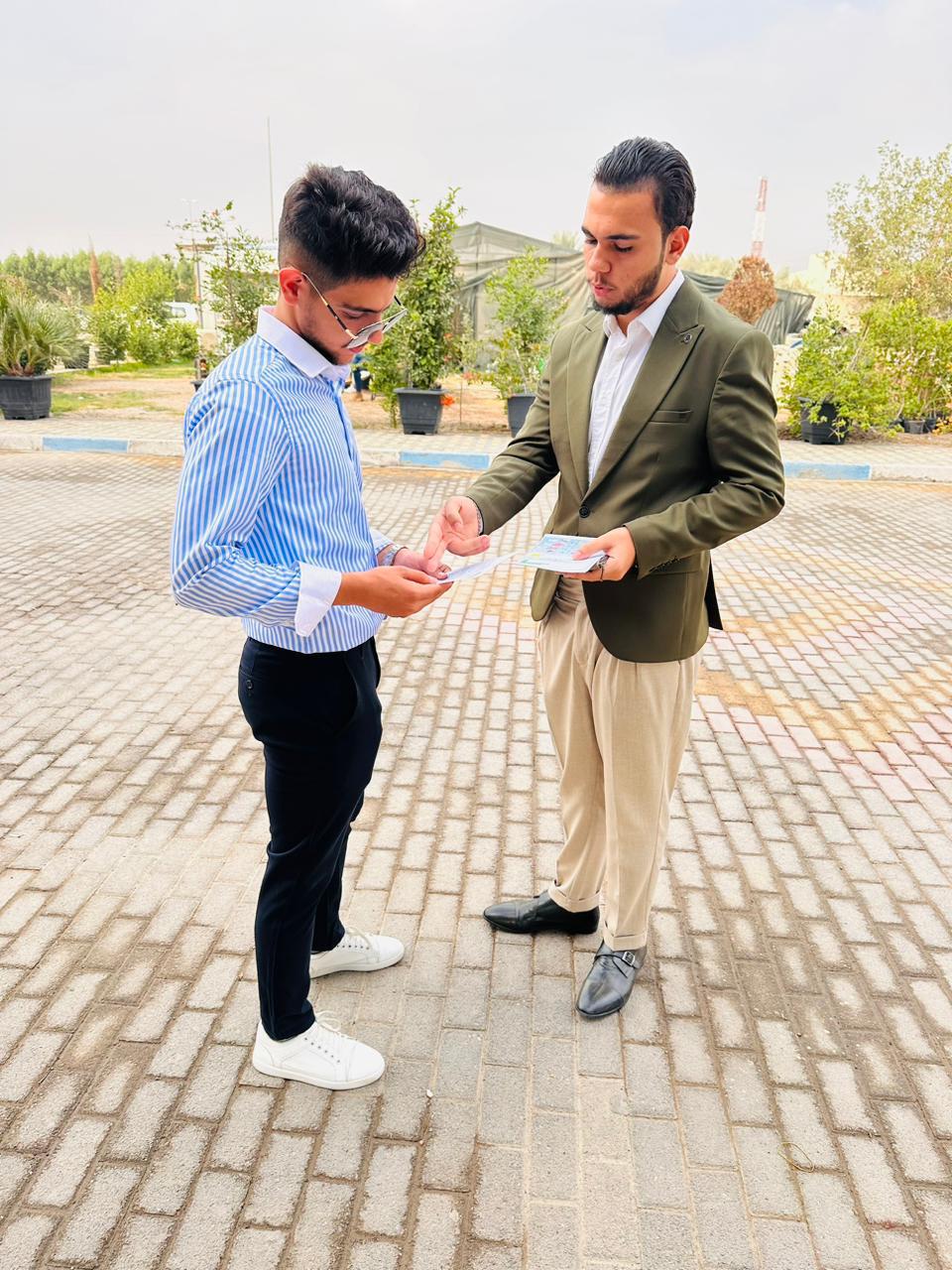
The Department of Medical Laboratories Techniques prepared and distributed brochures entitled (How do I protect myself from Maltese Fever), about Maltese Fever, it’s reasons, and ways to be protected from it.
The Department of Medical Laboratories Techniques at Al-Maarif University College prepared and distributed informative brochures titled “How Do I Protect Myself from Maltese Fever.” The brochures explained the causes of Maltese Fever, its symptoms, and practical steps to prevent infection, aiming to raise awareness and promote public health. The distribution was carried out by Asst. Lec. Saif Salih Mohammed and Asst. Lec. Abd Al-Salam Abd Al-Sattar. This initiative served as an educational outreach effort, providing students, staff, and the community with essential knowledge on disease prevention and health protection, contributing to improved health literacy and supporting preventive healthcare measures.
A Viva Discussion
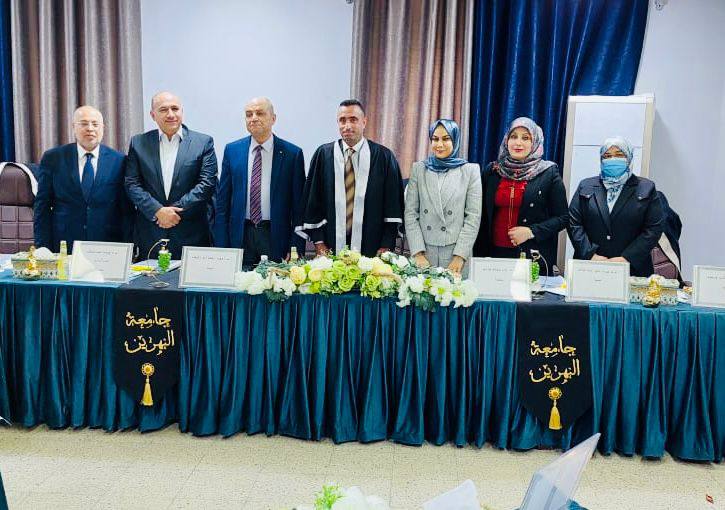
Asst. Prof. Dr. Maysaa Ali Abd Al-Khaliq from the Department of Pharmacy at Al-Maarif University participated in the doctoral dissertation discussion of Haider Ridha Salman at the College of Medicine, University of Nahrain. The discussion focused on a study examining the effects of topically applied Gemifloxacin and Vinpocetine on an imiquimod-induced psoriasis model in mice. The participation contributed to enriching scientific evaluation and supporting the research process, for which a letter of appreciation was awarded by the Dean of the College of Medicine.
Scroll to Top