Introduction
The University of Al-Maarif (UOA) places research in education at the core of its academic philosophy and sustainable development vision. Recognizing that high-quality education serves as the foundation for intellectual, social, and economic advancement, UOA actively promotes scientific research that seeks to improve teaching practices, strengthen learning environments, support educational innovation, and contribute to national and regional educational reform. Academic research in the field of education is viewed not only as an academic pursuit, but also as a social responsibility aligned with the United Nations Sustainable Development Goal SDG 4: Quality Education and the broader objectives of Iraq’s Ministry of Higher Education and Scientific Research.
Over the past decade, UOA has expanded its research agenda in education through a structured institutional framework that integrates:
-
Supportive research policies and funding mechanisms
-
Interdisciplinary collaboration among academic units
-
Engagement with schools, professional educational centers, and public institutions
-
Dissemination of research outcomes to influence educational practice and policy
Faculty members, graduate researchers, and academic departments collaboratively conduct studies on curriculum innovation, digital learning transformations, inclusive education, teacher development, assessment strategies, and student psychological well-being. This collective research culture ensures that UOA’s educational mission is continuously strengthened by new knowledge and evidence-based improvements that enhance the quality of learning at all levels.
Institutional Framework Supporting Educational Research
UOA’s commitment to research in education is supported by an integrated system of academic governance, research quality assurance, and capacity-building. The Deanship of Scientific Research provides direction for research priorities, allocates internal funding for research projects, supervises publication tracking, and ensures adherence to international ethical and methodological standards. Academic departments contribute by developing research agendas aligned with community needs, technological progress, and labor market transformations.
The University Council and the Sustainability and Global Ranking Unit play a major role in linking research activities with the Sustainable Development Goals, ensuring that education-focused research is systematically mapped to SDG 4, SDG 5 (Gender Equality), SDG 8 (Decent Work and Economic Growth), and SDG 10 (Reduced Inequalities). This institutional alignment guarantees that research addresses real challenges facing learners, teachers, and educational institutions in Iraq.
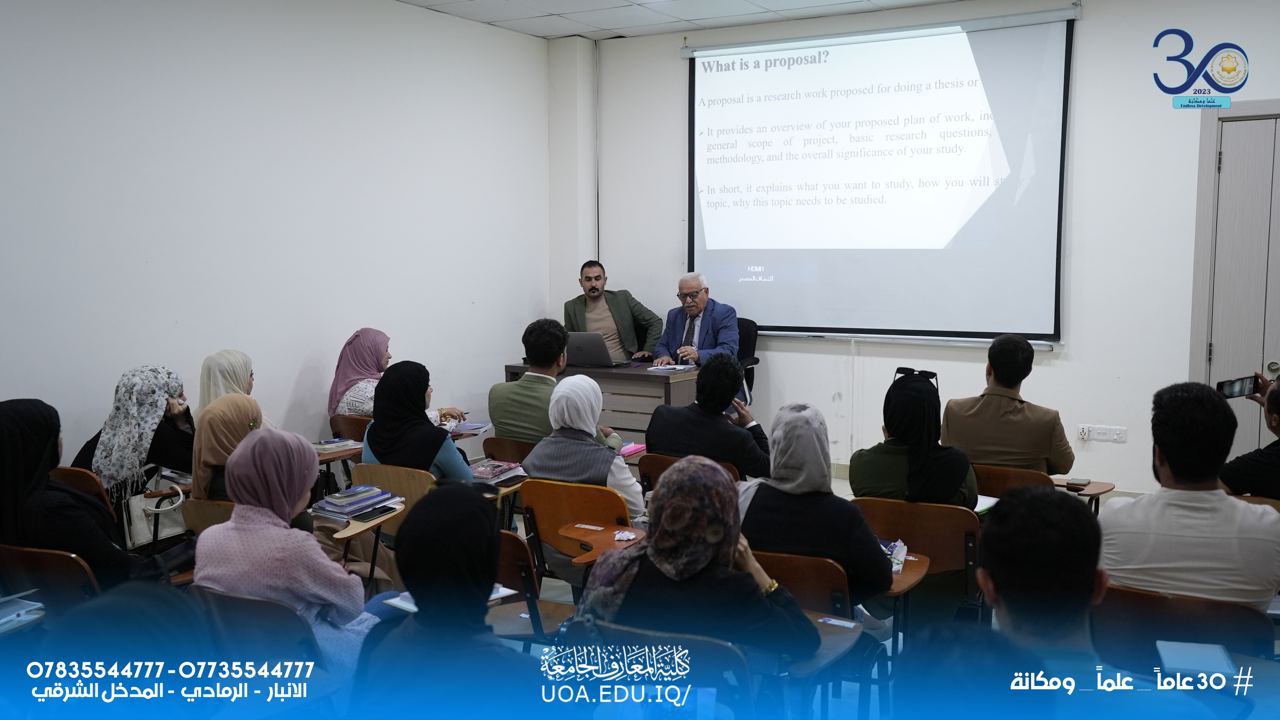
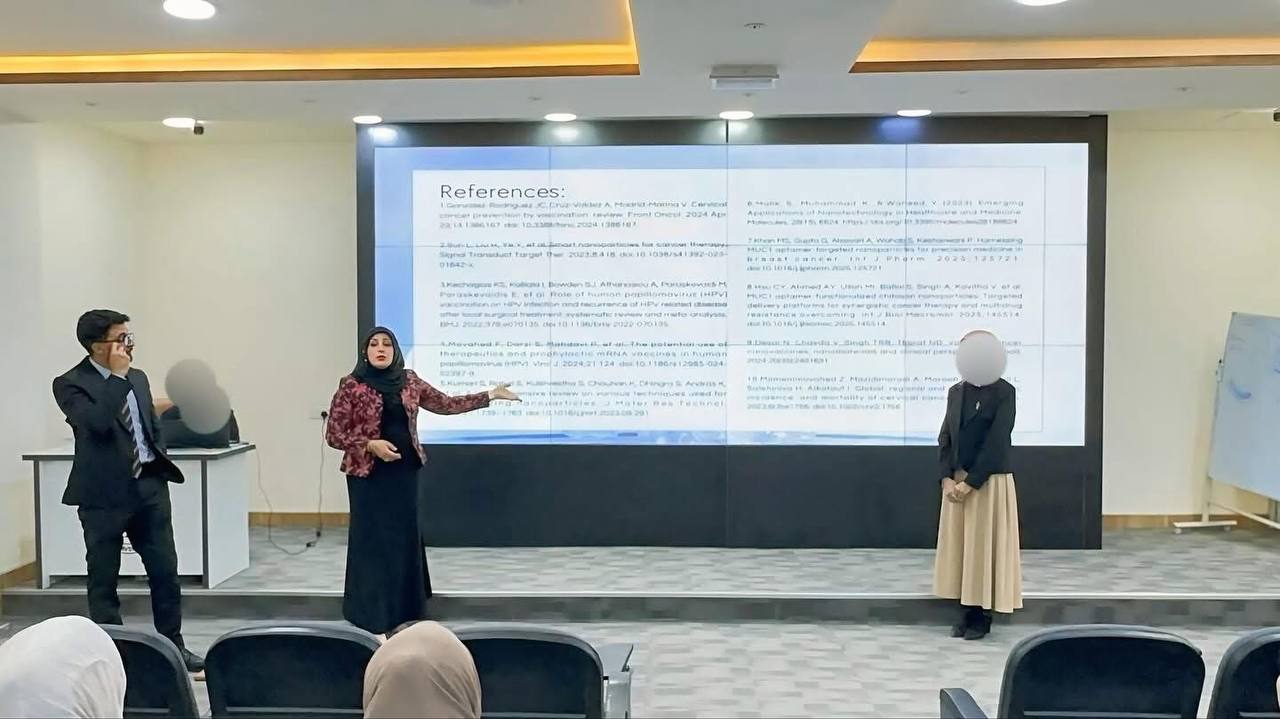
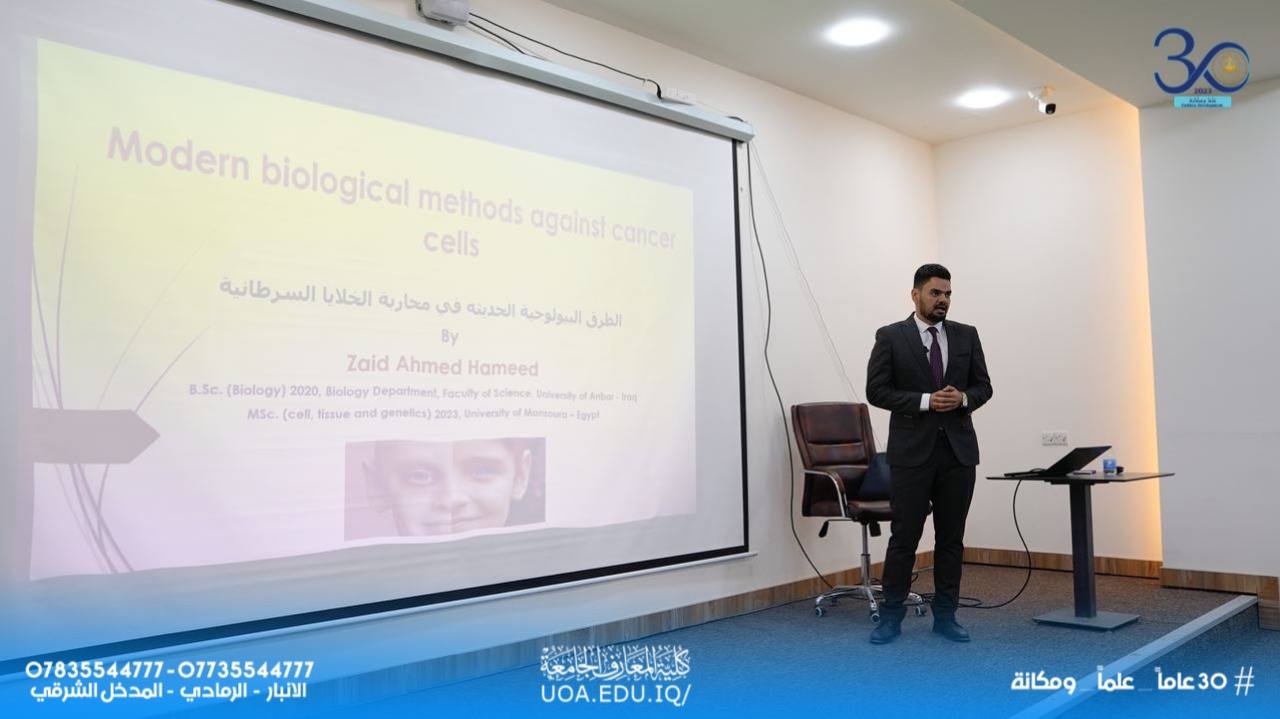
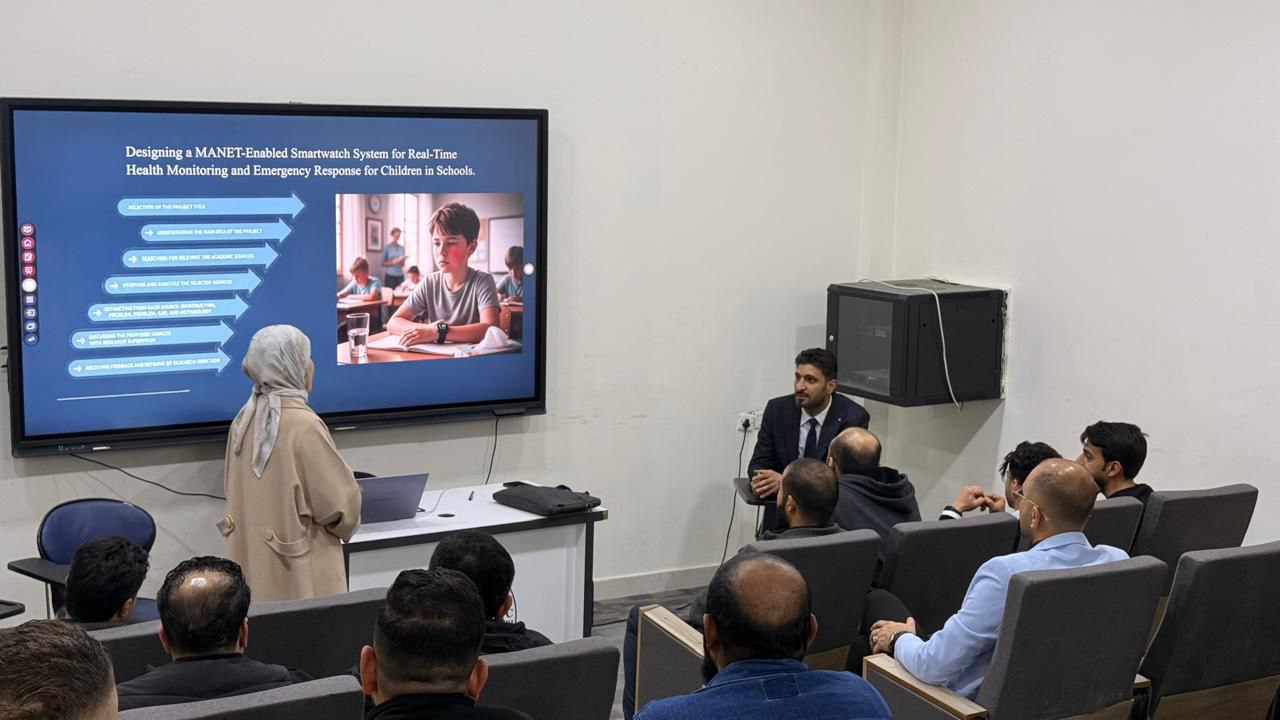
In addition, UOA encourages faculty and students to publish in peer-reviewed international journals, participate in regional and international conferences, and engage in collaborative research networks. The university also sponsors scientific seminars, methodology workshops, and research writing courses aimed at developing strong scholarly competencies among young researchers.
Research Focus Areas in Education at UOA
Educational research at UOA spans a broad and diverse range of themes that reflect contemporary challenges and opportunities in the learning environment. The major areas of focus include:
1. Pedagogical Innovation and Teaching Methodologies
Researchers explore:
-
Student-centered learning approaches
-
Active learning strategies in large classes
-
Inquiry-based and problem-based learning models
-
Blended and hybrid teaching practices
-
Competency-based curriculum design
These studies contribute to improving how knowledge is delivered, internalized, and applied in real-world contexts.
2. Curriculum Development and Program Alignment
University researchers evaluate:
-
Curriculum relevance to labor market needs
-
Integration of experimental and experiential learning
-
Alignment of classroom content with national accreditation standards
-
Cultural and ethical values embedded in educational materials
This ensures that academic programs remain responsive to societal needs.
3. Digital Transformation in Education
This rapidly growing research area includes:
-
Virtual learning platforms and digital classroom tools
-
Artificial intelligence in educational assessment
-
Online student engagement strategies
-
Electronic testing and learning analytics
This research supported UOA’s transition to adaptive hybrid learning models.
4. Inclusive Education and Learning Diversity
Studies address:
-
Education for students with disabilities
-
Classroom accessibility
-
Psychological and social support for learners
-
Gender equity in educational opportunities
These efforts reinforce UOA’s mission to provide equitable access to learning for all.
5. Teacher Professional Development
Research in teacher development examines:
-
Teaching evaluations
-
Academic mentoring programs
-
Continuous training models for faculty
-
Professional identity formation among educators
These studies contribute to sustaining high academic standards.
Research Methods and Interdisciplinary Collaboration
UOA emphasizes interdisciplinary research frameworks that bring together experts in:
-
Psychology
-
Engineering
-
Information technology
-
Public health
-
Social sciences
This allows educational research to be both theoretical and applied, creating solutions that can be implemented in classrooms, laboratories, training centers, and community learning settings. Many studies combine qualitative and quantitative research methods, enabling deep understanding of learning behaviors, cognitive performance, and teaching effectiveness.
The university also encourages collaboration with:
-
Public schools
-
Government education departments
-
NGOs working in youth development
-
Technology providers in digital learning
Such partnerships ensure that research outcomes reach real beneficiaries and inform policy and leadership decisions.
Research Outputs and Knowledge Dissemination
UOA supports the dissemination of research findings through multiple channels:
-
Publications in SCOPUS-indexed and Web of Science journals
-
Presentations at regional and international conferences
-
Participation in academic networks across the Arab world, Europe, and Asia
-
Workshops and symposia conducted inside the university
-
Training sessions for teachers in local schools
Research results are also integrated directly into UOA’s teaching practices, ensuring continuous quality improvement in academic programs.
Furthermore, many research findings are translated into community benefit through:
-
Educational outreach programs
-
Capacity building for teachers and school counselors
-
Innovation pilot projects in digital learning
Educational Research and Its Impact on National Priorities
Given Iraq’s evolving educational landscape, UOA’s research plays a vital role in:
-
Supporting national education reform policies
-
Improving student learning performance
-
Training future educators and school leaders
-
Enhancing regional academic competitiveness
Through research, UOA contributes to:
-
Increasing digital literacy
-
Reducing urban-rural educational disparities
-
Strengthening lifelong learning pathways
-
Promoting resilient learning communities
By linking scholarship with policy and practice, the university acts as a catalyst for sustainable educational transformation.