
SDG 7: Affordable and Clean Energy
University of Al Maarif’s Commitment to Advancing Sustainable, Affordable, and Clean Energy in Iraq
1. Introduction: Energy for Sustainable Development
Sustainable Development Goal 7 (SDG 7) aims to ensure access to affordable, reliable, sustainable, and modern energy for all. Energy is fundamental to economic growth, environmental protection, and social well-being.
In Iraq, where the energy sector is central to national reconstruction and sustainable development, the University of Al Maarif (UoA) recognizes its critical role in promoting clean energy solutions, reducing carbon emissions, and building local capacity for renewable energy innovation.
Through research, teaching, and community engagement, UoA contributes to Iraq’s long-term vision of energy diversification, efficiency, and sustainability, aligning its initiatives with both the United Nations Sustainable Development Goals (UN SDGs) and Iraq’s National Energy Transition Strategy 2030.
2. Promoting Renewable Energy Education
2.1 Academic Programs and Curriculum Integration
The University of Al Maarif integrates renewable and clean energy education into multiple academic disciplines — including engineering, environmental sciences, and business studies — to equip students with the theoretical and practical knowledge needed to contribute to Iraq’s renewable energy transition.
Course modules focus on:
- Renewable energy technologies (solar, wind, hydro, and bioenergy)
- Sustainable power generation and distribution
- Energy management systems
- Environmental impact of energy production
These programs encourage students to understand the balance between energy demand, environmental protection, and social equity.
2.2 Skills for the Future
UoA’s emphasis on applied learning ensures that graduates acquire industry-relevant skills in sustainable energy engineering, data analysis, and project design. Students are encouraged to conduct field research on renewable projects in Iraq, thereby developing the local expertise required for clean energy expansion.
3. Research and Innovation in Clean Energy
The University of Al Maarif Research and Development Center leads initiatives exploring innovative approaches to clean and efficient energy production.
Research areas include:
- Solar energy optimization in arid regions
- Microgrid systems for rural electrification
- Energy storage solutions and battery recycling
- Carbon capture and emission mitigation technologies
- Integration of smart energy management systems on campus
These projects aim to generate practical outcomes that contribute directly to Iraq’s sustainable energy roadmap and reduce dependency on fossil fuels.
4. Energy Efficiency and Carbon Footprint Reduction
4.1 Campus Energy Management
UoA has adopted a series of energy efficiency measures across its campuses to minimize energy waste and lower its environmental footprint.
These include:
- Retrofitting buildings with LED lighting and smart control systems
- Implementing solar-powered outdoor lighting and water heaters
- Upgrading HVAC systems for optimal energy performance
- Installing real-time monitoring devices for electricity and water consumption
Since 2021, the University has reduced its total electricity consumption per capita by an estimated 11%, with plans to reach a 25% reduction by 2027 through continued investments in green infrastructure.
4.2 Carbon Footprint Assessment
To evaluate its environmental performance, the University of Al Maarif has initiated a Carbon Footprint Assessment Program aligned with the World Resources Institute’s Greenhouse Gas (GHG) Protocol.
The assessment identifies emission sources across:
- Campus electricity and fuel consumption (Scope 1 and 2)
- Student and staff transportation (Scope 3)
- Waste management and recycling
Preliminary results indicate a downward trend in net CO₂ emissions per individual, confirming the effectiveness of UoA’s operational sustainability strategy.
5. Partnerships and Collaboration for Clean Energy
5.1 Governmental and Industrial Cooperation
The University collaborates with the Iraqi Ministry of Electricity, the Ministry of Environment, and the National Renewable Energy Center to exchange expertise and develop policies promoting sustainable energy systems.
Joint activities include:
- Technical consultations on renewable energy integration into local grids
- Research on national solar potential and energy storage
- Workshops on energy efficiency for municipal and industrial sectors
5.2 International and Regional Partnerships
UoA also engages with regional institutions such as King Fahd University of Petroleum and Minerals (Saudi Arabia) and the Arab Renewable Energy Commission (AREC) to participate in cross-border knowledge exchange and capacity-building programs related to clean energy innovation and environmental governance.
6. Community Awareness and Public Engagement
6.1 Energy Conservation Campaigns
The University conducts annual sustainability campaigns to raise awareness about clean energy and resource conservation among students, staff, and the wider community.
Events such as “Green Campus Week” and “Energy Efficiency Awareness Day” highlight the social and environmental importance of reducing energy consumption.
Workshops and student exhibitions showcase innovations in solar energy, eco-friendly transport, and household energy management systems designed by UoA students.
6.2 Training and Public Seminars
Through collaboration with NGOs and local government agencies, the University organizes seminars on energy literacy, climate change mitigation, and household energy efficiency.
Community members are trained in practical techniques such as using solar cookers, maintaining efficient air conditioning units, and understanding household electricity audits.
7. Integration of Clean Energy Concepts into Curriculum
7.1 Interdisciplinary Learning
UoA has embedded SDG 7 themes across various academic programs. Courses in business administration address the economics of renewable energy markets, while engineering programs teach students about power system optimization, energy auditing, and sustainable design.
This interdisciplinary approach ensures that all students — regardless of field — understand the significance of affordable and clean energy in shaping sustainable societies.
7.2 Research-Based Learning
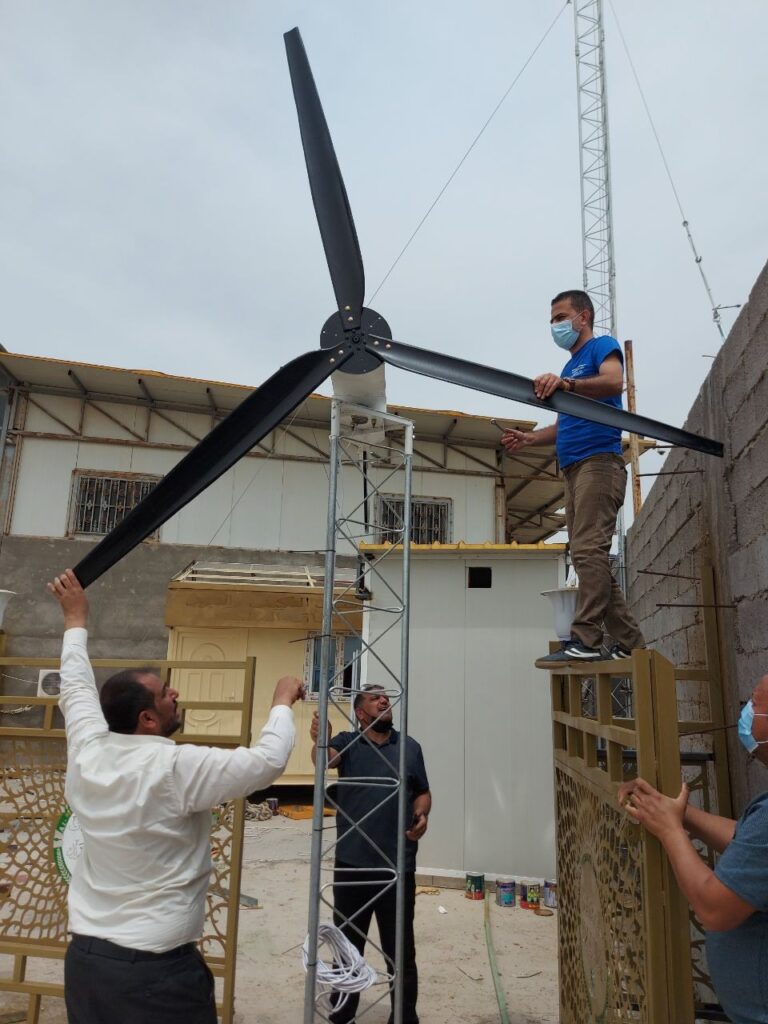
Students participate in applied research projects, designing mini-solar farms, wind turbine prototypes, and energy-efficient building models as part of their final-year theses.
These projects foster innovation and encourage students to translate theoretical knowledge into scalable clean energy solutions.
8. Leading by Example: Sustainable Campus Operations
8.1 On-Campus Renewable Energy Systems
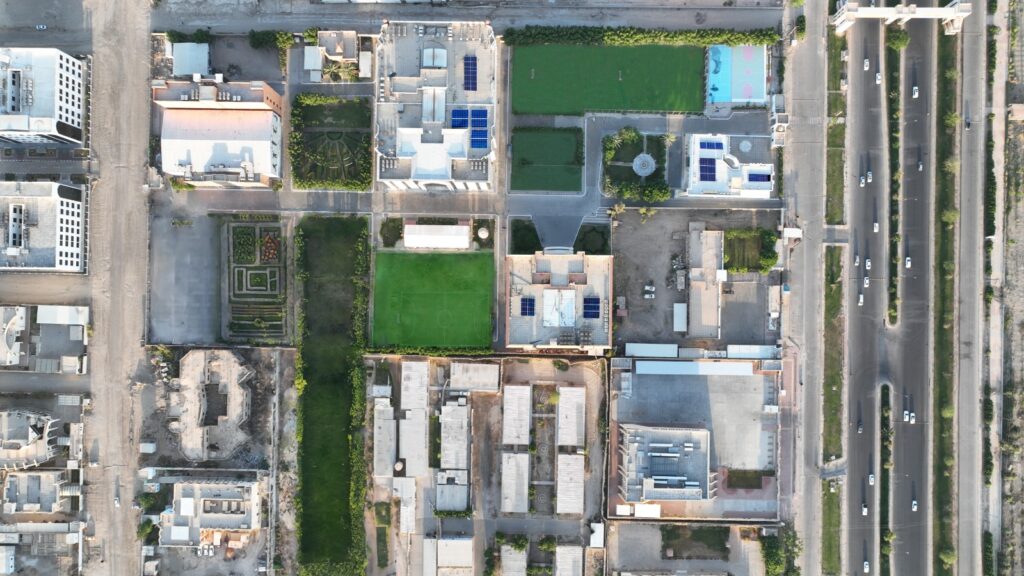
To demonstrate practical applications of clean energy, UoA has installed solar photovoltaic panels on several campus buildings.
These installations supply a portion of the university’s daily energy demand while serving as live learning laboratories for students studying renewable energy systems.
8.2 Waste-to-Energy and Circular Economy Initiatives
The University’s Sustainability Office is exploring waste-to-energy technologies, particularly in converting organic waste from campus cafeterias into biogas for cooking and heating.
Such initiatives exemplify circular economy principles and contribute to reducing overall greenhouse gas emissions.
9. Alignment with National and Global Policies
9.1 Iraq’s National Energy Transition Vision
The University’s sustainability strategy aligns closely with Iraq’s Energy Transition Plan (2021–2030), which seeks to:
- Diversify energy sources beyond fossil fuels
- Increase the share of renewable energy in the national grid
- Improve energy efficiency in buildings and transport
- Strengthen institutional capacity in clean technology research
By integrating these objectives into its operations and research agenda, UoA supports the country’s commitment to reducing dependency on conventional energy and enhancing resilience to climate change.
9.2 Contribution to Global SDG Frameworks
The University of Al Maarif’s SDG 7 initiatives also contribute to:
- SDG 13 (Climate Action) — through emission reduction and renewable energy advocacy
- SDG 9 (Industry, Innovation, and Infrastructure) — via technology-driven research in clean energy systems
- SDG 4 (Quality Education) — by producing graduates equipped to advance sustainable energy solutions
10. Measuring Progress and Impact
10.1 Key Performance Indicators (KPIs)
| Indicator | 2021 Baseline | 2023 | 2025 Target |
|---|---|---|---|
| Campus renewable energy generation (%) | 5% | 12% | 25% |
| Energy consumption reduction per capita (%) | — | 11% | 25% |
| CO₂ emissions per capita (tCO₂e) | 5.5 | 4.8 | 3.5 |
| Energy-related research publications | 3 | 10 | 20 |
| Community participants in awareness programs | 400 | 1,200 | 2,500 |
10.2 Annual Sustainability Reporting
The University Sustainability Committee publishes an annual Energy and Environment Report that monitors progress on SDG 7 indicators, reviews operational data, and evaluates policy effectiveness.
Results are submitted to the Iraqi Ministry of Higher Education and Scientific Research and shared publicly to promote transparency and accountability.
11. Future Roadmap (2025–2030)
To further strengthen its contribution to SDG 7, the University of Al Maarif plans to:
- Establish a Center for Renewable Energy and Environmental Innovation for interdisciplinary research and industry collaboration.
- Expand solar energy capacity to supply up to 50% of campus electricity by 2030.
- Introduce postgraduate programs in Sustainable Energy Systems and Energy Policy and Governance.
- Collaborate with local authorities on rural electrification projects using microgrid technologies.
- Develop carbon neutrality goals, aiming for a net-zero campus by 2040.
- Enhance regional leadership by hosting the Iraq Clean Energy Forum, an annual platform for policy dialogue and innovation sharing.
12. Conclusion
Through its teaching, research, operational practices, and community outreach, the University of Al Maarif is deeply committed to advancing SDG 7: Affordable and Clean Energy.
By integrating clean energy principles into every facet of university life — from classroom learning to campus management — UoA is building a culture of sustainability and innovation that contributes directly to Iraq’s energy transition.
The University stands as a model of academic leadership in the pursuit of a greener, more resilient, and energy-secure future for Iraq and the broader region.