
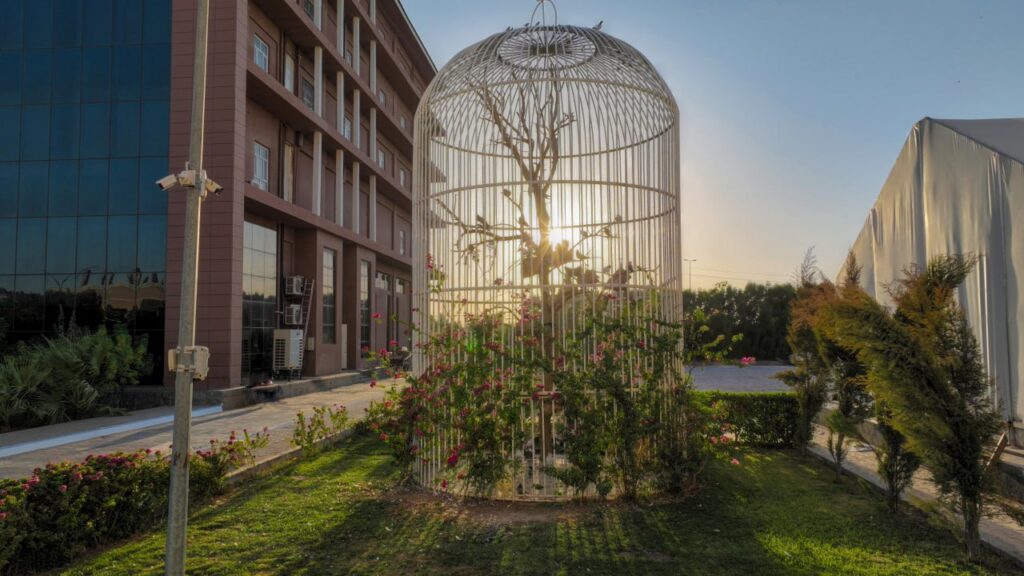
SDG 13: Climate Action in Iraq and Government Initiatives
Addressing Climate Change for a Sustainable Future
Sustainable Development Goal 13 (SDG 13) emphasizes the need for urgent global action to combat climate change and its impacts. Iraq, as one of the most climate-vulnerable countries in the Middle East, faces serious environmental challenges such as rising temperatures, desertification, drought, water scarcity, and increased sandstorms. These threats endanger ecosystems, agriculture, and public health while also posing socio-economic risks.
In response, the Government of Iraq, led by the Ministry of Environment and in collaboration with national and international partners, has initiated a range of programs and policies to reduce greenhouse gas emissions, enhance environmental resilience, and adapt to the realities of a changing climate.
Key Government Initiatives Supporting SDG 13 in Iraq
1. Iraq’s National Climate Change Strategy and Action Plan
The National Climate Change Strategy and Action Plan (2022–2030) represents Iraq’s roadmap for addressing the climate crisis. It focuses on reducing carbon emissions, improving energy efficiency, managing natural resources, and strengthening adaptation measures.
The plan also supports Iraq’s commitments under the Paris Agreement, outlining policies to transition toward a low-carbon and climate-resilient economy through sustainable energy, reforestation, and eco-friendly infrastructure.
2. Renewable Energy and Energy Efficiency Programs
To decrease reliance on fossil fuels and reduce emissions, Iraq is gradually investing in renewable energy projects, especially solar and wind power.
The Ministry of Electricity and Ministry of Environment are jointly implementing initiatives to increase renewable energy’s contribution to the national power grid and to introduce energy-efficient technologies in public facilities and industry.
These programs aim to diversify Iraq’s energy sources, reduce air pollution, and enhance long-term sustainability.
3. Water Resource Management and Drought Mitigation
With Iraq facing chronic water scarcity, climate-resilient water management has become a national priority. The Ministry of Water Resources is working on projects that improve irrigation efficiency, rehabilitate marshlands, and strengthen infrastructure to manage droughts and floods.
Collaborative efforts with international organizations such as UNDP and FAO are helping to implement sustainable agricultural practices and preserve Iraq’s natural water systems.
4. Afforestation and Land Restoration Initiatives
To counteract desertification and dust storms, Iraq launched several national afforestation programs, including the “Green Iraq Initiative”, which aims to plant millions of trees across provinces to restore degraded land and improve air quality.
These initiatives involve public institutions, universities, and community organizations in large-scale tree planting campaigns to enhance carbon sequestration and restore ecological balance.
5. Public Awareness and Climate Education
The Ministry of Environment conducts nationwide awareness campaigns to educate citizens about climate change, energy conservation, and sustainable consumption.
Through community workshops, school programs, and environmental days, people are encouraged to adopt eco-friendly habits such as reducing waste, conserving water, and minimizing energy use.
Media campaigns and university collaborations amplify the message that climate action is a shared national responsibility.
6. Partnerships and International Collaboration
Iraq actively collaborates with international organizations and development partners such as the United Nations Environment Programme (UNEP), UNDP, and the World Bank to enhance technical capacity, secure funding, and support large-scale environmental projects.
Through these partnerships, Iraq benefits from technology transfer, research support, and capacity-building programs, which strengthen its institutional framework for climate governance and sustainability.
Through these initiatives, Iraq demonstrates its growing commitment to SDG 13, working to build resilience, promote renewable energy, and foster a society that understands and acts upon the urgency of climate change.
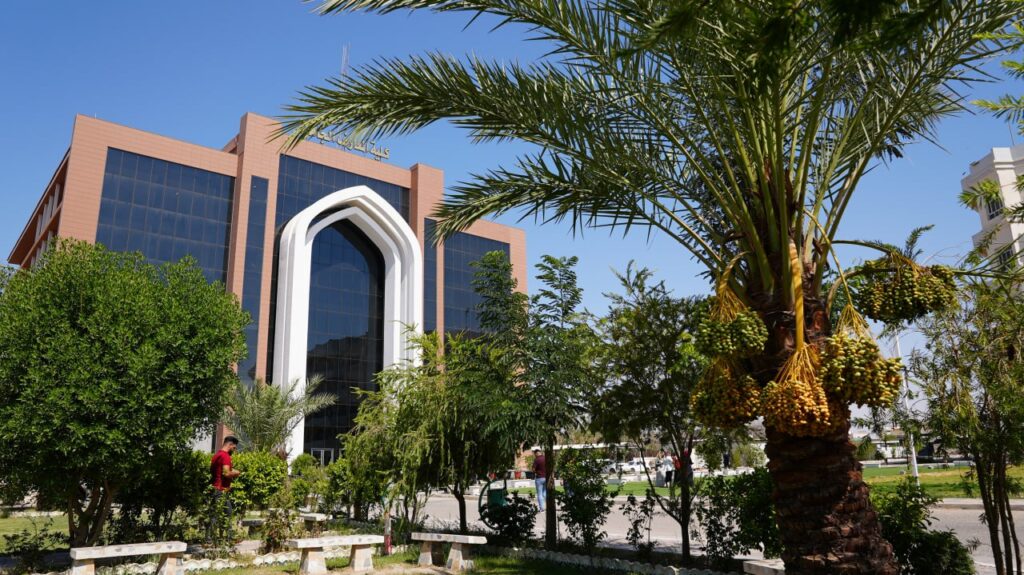
SDG 13 at the University of Al Maarif: Promoting Climate Awareness and Sustainable Development
The University of Al Maarif (UOA) plays a leading role in supporting SDG 13 by promoting climate education, sustainability awareness, and environmental responsibility within the academic community.
In alignment with Iraq’s national climate goals, the university integrates environmental sustainability into its teaching, research, and community outreach activities, preparing students to be informed and proactive contributors to Iraq’s sustainable future.
1. Climate Awareness and Education
The University of Al Maarif integrates climate and environmental education across disciplines, especially in programs related to science, engineering, public health, and policy.
Through specialized lectures, academic courses, and student-led projects, UOA raises awareness about climate change impacts in Iraq and fosters understanding of renewable energy, water management, and sustainable practices.
Workshops and seminars featuring national and international experts encourage discussion and critical thinking around Iraq’s path toward environmental sustainability.
2. Sustainable Campus Practices
UOA is committed to minimizing its environmental footprint by adopting sustainable practices across its campus operations.
Efforts include:
- Installing energy-efficient lighting and solar-powered systems to reduce electricity consumption
- Promoting waste reduction and recycling programs
- Implementing water-saving technologies and responsible landscaping to conserve natural resources
- Encouraging paperless communication and digital learning systems to reduce resource use
Through these initiatives, the university serves as a model for responsible resource management and environmental stewardship.
3. Research and Innovation for Climate Solutions
Research at the University of Al Maarif supports Iraq’s transition toward a sustainable and climate-resilient future.
Faculty and students engage in projects related to renewable energy, climate resilience, pollution control, and sustainable agriculture.
The university’s Environmental and Sustainability Research Center collaborates with governmental bodies and NGOs to address local climate challenges, contributing evidence-based solutions that support national and regional development.
4. Student-Led Environmental Clubs and Community Engagement
UOA empowers students through environmental clubs and volunteer programs that promote awareness and direct climate action.
Activities include:
- Tree-planting and greening initiatives across the campus and nearby communities
- Clean-up campaigns and recycling drives
- Awareness events during World Environment Day and Earth Day
- Educational workshops on sustainability and eco-friendly living
These student initiatives cultivate a sense of environmental responsibility and civic engagement, reinforcing the university’s contribution to SDG 13.
5. Partnerships and Outreach
The University of Al Maarif collaborates with government ministries, local municipalities, and NGOs to support environmental projects and capacity-building programs.
These partnerships allow the university community to engage in joint research, policy dialogues, and awareness campaigns that promote Iraq’s environmental and climate goals.
Such collaborations strengthen the link between academia and policy, ensuring that scientific knowledge informs real-world sustainability strategies.
Seminars and Events: Environmental Management and Sustainable Development
The University of Al Maarif regularly hosts seminars and public lectures on topics such as environmental management, climate policy, and sustainability leadership.
These events aim to enhance understanding of how academic research can contribute to practical climate action and promote interdisciplinary dialogue between scholars, students, and practitioners.
Sustainable Infrastructure and Operations
Sustainability is embedded in the university’s infrastructure and operations.
UOA’s facilities are designed to promote efficient energy use, natural lighting, and responsible waste management.
The university also promotes green mobility, encouraging walking, cycling, and shared transportation among students and staff to reduce emissions and traffic congestion around campus.
Conclusion
Through its dedication to education, research, sustainable operations, and community involvement, the University of Al Maarif stands as a proactive force in Iraq’s efforts to achieve SDG 13: Climate Action.
By aligning its institutional strategies with Iraq’s national climate objectives, UOA fosters a culture of sustainability and resilience.
Its initiatives not only prepare students to be environmentally conscious citizens but also demonstrate the vital role that universities play in shaping a greener, more sustainable Iraq.