SDG 10: Reduced Inequalities
University of Al Maarif’s Commitment to SDG 10: Advancing Equality and Empowerment Across Iraqi Society
Sustainable Development Goal 10 (SDG 10) emphasizes the global imperative to reduce inequality within and among countries.
In Iraq—a nation rebuilding its economy and social systems after years of conflict and transformation—reducing inequalities is not only a moral obligation but also a national priority.
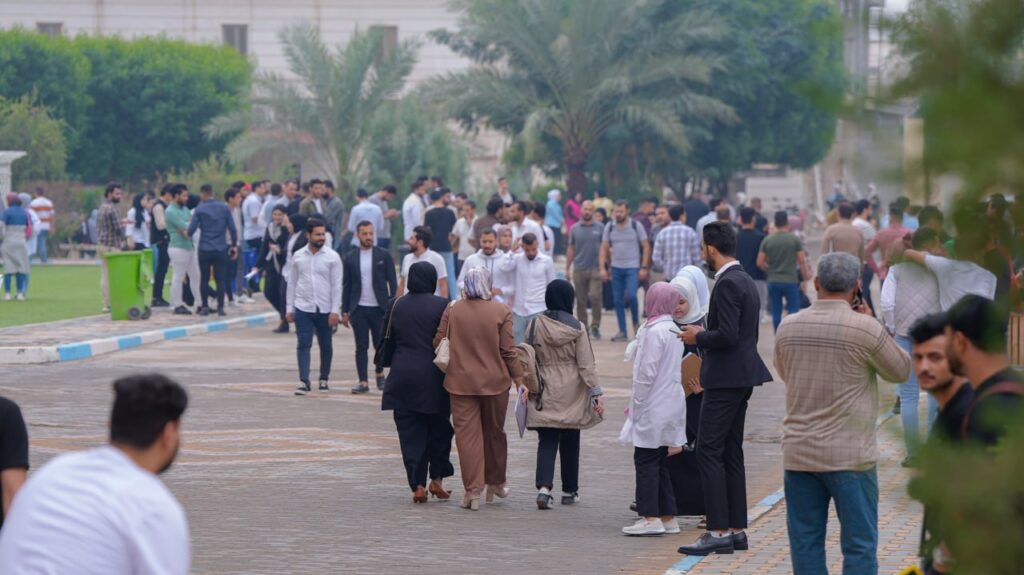
The University of Al Maarif (UOA) proudly aligns itself with this global and national mission by empowering underrepresented groups, promoting social inclusion, supporting equitable access to education, and ensuring that every individual—regardless of gender, background, ability, or social status—has the opportunity to thrive and contribute to Iraq’s sustainable future.
Empowering Women and Promoting Gender Equality
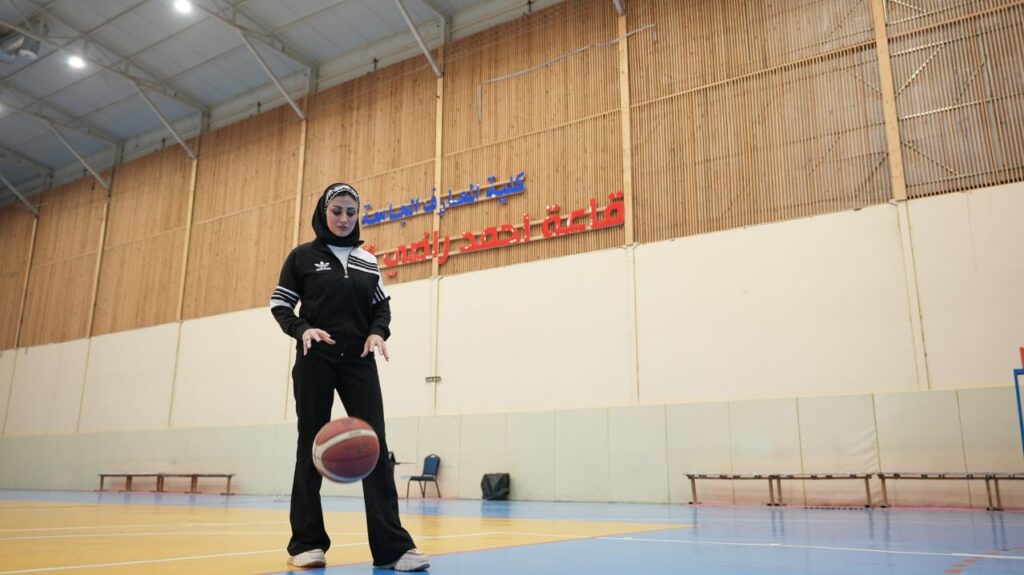
The University of Al Maarif firmly believes that women’s empowerment is central to Iraq’s social and economic progress.
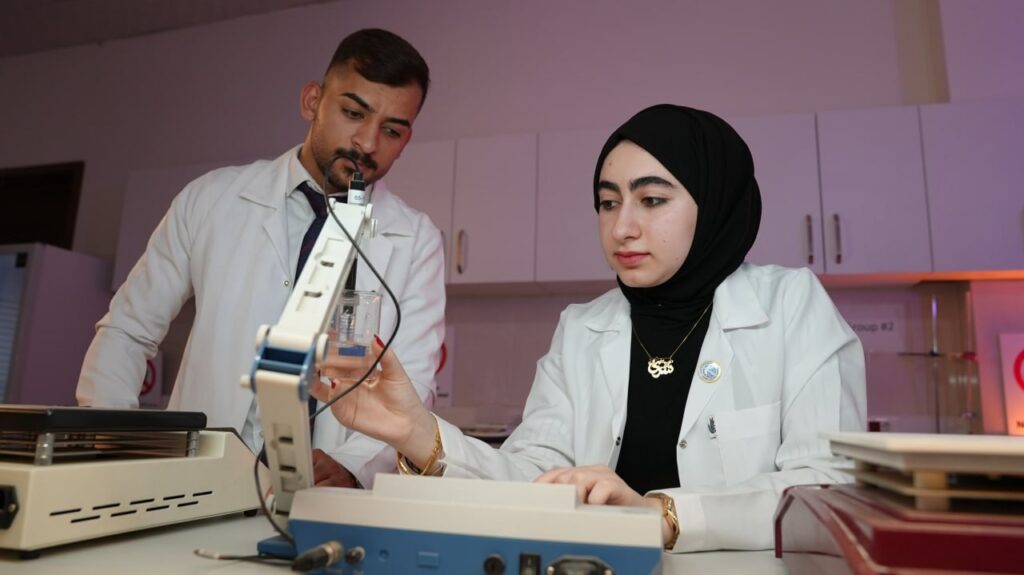
Through its academic programs, research initiatives, and campus activities, UOA actively promotes equal opportunities for women in all disciplines, including fields traditionally dominated by men such as engineering, law, and technology.
Women at UOA are encouraged to pursue leadership roles within student organizations, research groups, and administrative bodies.
The university offers mentorship programs, women-in-leadership workshops, and career counseling services to help female students and faculty reach their full potential.
By ensuring that women have equal access to education and leadership opportunities, UOA contributes to national efforts toward gender parity and women’s empowerment, in alignment with Iraq’s National Strategy for Women’s Advancement and the United Nations’ gender equality framework.
Inclusion and Accessibility for People with Disabilities
UOA is committed to fostering an inclusive academic environment for students and staff with disabilities.
Recognizing the importance of accessibility and equity, the university ensures that its buildings, classrooms, and facilities comply with universal design principles, enabling students with physical, visual, auditory, or cognitive impairments to participate fully in academic life.
The university also provides assistive technologies, specialized learning materials, and counseling services to support the learning experience of students with disabilities.
Through awareness programs and faculty training, UOA promotes a culture of empathy and inclusion, ensuring that disability is never a barrier to education or personal development.
This aligns with Iraq’s Law No. 38 of 2013 on the Rights of Persons with Disabilities and Special Needs, which guarantees equal opportunities in education and employment.
Scholarships and Financial Aid for Equal Access
Economic disparities remain a major obstacle to higher education in Iraq.
The University of Al Maarif addresses this challenge through scholarship programs, tuition support, and financial aid schemes designed to assist students from low-income families, rural communities, and disadvantaged backgrounds.
By offering merit-based and need-based scholarships, UOA ensures that talented students can continue their studies regardless of their financial situation.
The university collaborates with government agencies, NGOs, and private-sector donors to expand educational opportunities for marginalized groups.
These initiatives contribute to reducing educational inequality and promoting social mobility, which are essential for building an equitable and prosperous Iraq.
Diversity and Inclusive Curriculum
UOA’s academic philosophy is grounded in diversity, inclusivity, and critical thinking.
Its curriculum integrates global and local perspectives, encouraging students to explore themes related to social justice, equity, and cultural pluralism.
Through interdisciplinary courses, seminars, and community-based projects, students learn to identify and challenge social inequalities and to propose practical, ethical solutions to real-world problems.
The university also encourages faculty members to incorporate inclusive pedagogy—teaching strategies that respect different learning styles, cultures, and experiences—ensuring that the classroom remains a space of respect, openness, and dialogue.
Awareness Campaigns and Sensitization Programs
The University of Al Maarif regularly conducts awareness campaigns, seminars, and workshops focused on equality, inclusion, and the rights of underrepresented groups.
These programs aim to raise understanding of social and gender disparities while promoting empathy, tolerance, and civic responsibility.
Topics such as gender-based violence prevention, disability inclusion, refugee rights, and youth empowerment are frequently discussed in collaboration with national NGOs and international organizations.
By creating dialogue around these issues, UOA nurtures an informed generation of students committed to human rights and equality in Iraq.
Community Engagement and Social Responsibility
True to its mission of serving society, the University of Al Maarif extends its work beyond campus through community partnerships that address inequality in practical ways.
The university collaborates with local NGOs, community centers, and government programs to deliver initiatives such as:
- Literacy and digital education programs for women and youth in rural areas.
- Career training and employability workshops for marginalized communities.
- Awareness campaigns on social cohesion, peacebuilding, and inclusion.
- Volunteering projects in health, education, and environmental development.
Through these outreach efforts, UOA reinforces its role as a driver of social equity and national cohesion, contributing to the reduction of inequalities across Iraqi society.
Support for Minority and Vulnerable Groups
As a higher education institution that values diversity, UOA ensures that minority and vulnerable groups—including ethnic, religious, and displaced populations—find a supportive and respectful academic environment.
The university implements nondiscrimination policies and fosters intercultural understanding through joint activities and inclusive dialogue platforms.
UOA recognizes Iraq’s diverse social fabric as a strength.
By providing equitable opportunities and promoting unity among students of all backgrounds, the university contributes to building a cohesive, inclusive, and resilient Iraqi society—a society where diversity is celebrated and everyone has a voice.
Equality and Diversity Policy at the University of Al Maarif
The Equality and Diversity Policy of UOA formalizes the institution’s commitment to fairness, dignity, and respect for all.
It emphasizes that students, staff, and visitors are entitled to an environment free from discrimination, harassment, or victimization.
The policy applies across all aspects of university life—recruitment, teaching, research, student admissions, and partnerships—and ensures equal treatment based on:
- Gender and gender identity
- Disability
- Religion or belief
- Ethnicity, race, or national origin
- Age
- Socioeconomic background
- Sexual orientation
- Marital or family status
UOA’s Equality Policy aligns with Iraq’s constitutional principles, labor laws, and international human rights frameworks, ensuring that equality is embedded in all institutional practices.
Objectives of the Equality Policy
To uphold its values of equity and inclusion, the University of Al Maarif works to:
- Assess and mitigate any inequalities in policies and operations.
- Collect and analyze equality-related data to improve institutional planning.
- Provide staff and students with equality and diversity training.
- Encourage participation of women and underrepresented groups in leadership roles.
- Guarantee accessibility in both academic and administrative processes.
- Promote cultural exchange, dialogue, and respect among the university community.
- Partner with organizations that share UOA’s commitment to equity and social justice.
Violations of the equality policy are addressed through clear disciplinary and complaint procedures, ensuring accountability and a safe, inclusive environment for all.
Human Resources and Fair Employment Practices
The University of Al Maarif’s Human Resources Department plays a key role in advancing SDG 10 through fair employment policies, transparent recruitment, and professional development programs that value merit and diversity.
The HR strategy focuses on:
- Equal opportunity hiring based on competence and potential.
- Professional growth and continuous training for staff.
- Safe and inclusive workplaces, free from discrimination or bias.
- Health, insurance, and welfare programs for all employees.
- Compliance with Iraqi labor laws and international standards on workers’ rights.
Through these practices, UOA ensures that its workforce reflects Iraq’s social diversity and models the principles of fairness and inclusivity.
Partnerships for Social Equity and Workforce Development
In support of national initiatives like Taqat (the Iraqi labor platform) and the Social Protection Program, UOA collaborates with public and private stakeholders to improve employability, workforce diversity, and equitable access to training opportunities.
The university participates in capacity-building programs with government ministries and international organizations, helping bridge the gap between higher education and the labor market.
These collaborations are designed to reduce youth unemployment, support women’s economic participation, and provide training for people from disadvantaged backgrounds.
Rights and Empowerment of Persons with Disabilities
Aligned with Iraq’s national framework on disability rights, UOA advocates for equal opportunities, accessibility, and full participation of people with disabilities in education and society.
The university supports research on inclusive education, offers counseling services, and promotes awareness campaigns addressing stigma and accessibility.
It also collaborates with health and social care institutions to improve resources for students with disabilities, ensuring that they receive both academic and social support.
Social Care and Financial Assistance
To address social and financial inequalities among students, the University of Al Maarif maintains financial assistance and welfare services that include:
- Monthly financial aid for low-income students.
- Tuition installment options and deferred payment plans.
- Partnerships with charitable foundations for education support.
- Emergency aid for students affected by displacement or hardship.
These programs reflect UOA’s mission to ensure that economic challenges never become educational barriers.
Awareness and Training for Equality
UOA promotes continuous education on equality, inclusion, and anti-discrimination through seminars, leadership training, and student engagement initiatives.
Topics include gender equity, disability inclusion, peacebuilding, and interfaith understanding—reflecting Iraq’s commitment to social harmony and diversity.
The university also ensures that faculty and administrative staff receive training in equality-based practices, reinforcing inclusivity in all areas of academic and institutional life.
Conclusion
The University of Al Maarif plays a vital role in advancing SDG 10: Reduced Inequalities within Iraq’s higher education and social development sectors.
Through policies, programs, and community partnerships, UOA works to create a society grounded in fairness, respect, and equal opportunity.
By empowering women, supporting persons with disabilities, providing scholarships, promoting inclusive education, and fostering diversity in employment and research, the university acts as a national model for equitable and sustainable development.
UOA’s unwavering commitment to inclusivity not only fulfills a global goal but also embodies Iraq’s vision for a unified, equitable, and resilient society—where every citizen, regardless of background, has the opportunity to learn, grow, and contribute to the nation’s progress.