Introduction

The University of Al-Maarif (UOA) is deeply committed to advancing quality education, community empowerment, and equitable access to learning opportunities beyond the formal boundaries of the university campus. As a private academic institution located in Al-Ramadi, Al-Anbar Governorate, UOA recognizes its essential role as not only a center for teaching and research but also a driver of social development, civic responsibility, and public service. Accordingly, the university has developed a comprehensive framework of community education, outreach programs, and lifelong learning initiatives designed to support diverse social groups, respond to local developmental needs, and foster a culture of continuous knowledge exchange.

UOA’s outreach efforts are directly aligned with the United Nations Sustainable Development Goal 4 (SDG 4): Quality Education, with special emphasis on:

  • SDG Target 4.3: Ensuring equal access to affordable and high-quality education for all;

  • SDG Target 4.7: Providing education that promotes sustainable societies, human rights, cultural understanding, and global citizenship.

These community-oriented educational activities also contribute indirectly to additional SDGs, including:

  • SDG 3 (Good Health and Well-being),

  • SDG 5 (Gender Equality),

  • SDG 10 (Reduced Inequalities),

  • SDG 13 (Climate Action),

  • SDG 17 (Partnerships for the Goals).

Through sustained collaboration with schools, local government departments, health centers, NGOs, civil society organizations, and youth institutions, the university designs and delivers programs that enhance knowledge, build capacity, and empower individuals of all ages and socio-economic backgrounds.

These programs span a wide range of themes, including:

  • Public health awareness

  • Environmental sustainability and climate responsibility

  • Digital and technological literacy

  • Psychological support and personal development

  • Entrepreneurship and employment readiness skill-building

  • Cultural enrichment and youth empowerment activities

Crucially, these outreach efforts are not limited to academic staff. Students at UOA play an active and central role as volunteers, trainers, research assistants, and community leaders, reflecting the university’s belief that experiential learning and civic engagement are essential components of comprehensive education.


UOA’s Philosophy of Community-Centered Education

UOA’s educational outreach programs are built upon several guiding principles:

Core PrincipleExplanation
Education as a Public GoodKnowledge and learning should be accessible to all members of society, not only enrolled students.
Community PartnershipEffective education requires collaboration among institutions, families, youth, and public organizations.
Lifelong LearningEducation is not limited to specific age groups or stages—it continues throughout life.
Inclusivity and EquityPrograms are designed to include women, youth, people with disabilities, and underserved populations.
Sustainable Social ImpactOutreach activities aim to produce lasting improvement, not temporary intervention.

These foundational values ensure that UOA’s contribution to community well-being is both intentional and measurable.


Structure of Outreach and Community Education at UOA

Community educational outreach at UOA is coordinated through multiple units, including:

UnitPrimary Role in Outreach
Deanship of Student AffairsCoordination of student volunteering and civic engagement programs.
Sustainability and Global Ranking UnitSDG alignment, measurement, documentation, and strategic planning.
College of Education & PsychologyDelivery of teacher training, childhood education support, and psychological literacy workshops.
College of Medical SciencesPublic health campaigns, free medical days, and clinical awareness programs.
College of Engineering & Medical Device TechnologyTechnology training, STEM outreach, and innovation mentoring.
Center for Continuing EducationCertified vocational and professional training for community members.

This structure ensures that outreach activities are diverse, multidisciplinary, and institutionally supported rather than isolated.


Key Community Education Initiatives

1. Health Awareness and Preventive Medicine Programs (SDG 3 & SDG 4)

UOA regularly conducts health education campaigns in:

  • Schools

  • Public community centers

  • Refugee and low-income neighborhoods

  • Civil society organizations

These programs include:

  • Nutrition education workshops

  • First aid certification sessions

  • Seminars on chronic disease prevention

  • Awareness lectures addressing oral hygiene, diabetes, hypertension, and maternal health

Medical staff and advanced students provide free basic screenings, such as:

  • Blood pressure checks

  • Glucose level testing

  • BMI calculation and dietary consultation

These activities reduce health inequities, support preventive medicine, and expand medical literacy among the population.


2. Environmental Education and Climate Action Campaigns (SDG 4 & SDG 13)

UOA promotes sustainable environmental practices through:

  • Tree planting initiatives

  • Recycling awareness workshops

  • Waste management education in schools

  • Riverbank and neighborhood clean-up events

  • Climate change awareness seminars for youth

These programs help students and citizens understand the environmental and social importance of sustainable living.


3. Digital Literacy and Technology Skills Training (SDG 4 & SDG 9)

Recognizing the growing need for digital empowerment, UOA offers:

  • Computer literacy workshops for community members

  • Social media and digital safety sessions for students and parents

  • Introductory programming and technology clubs for school children

  • ICT training for public sector staff in Ramadi

These outreach efforts help bridge the digital divide in the region.


4. Student-Led Educational Volunteering

Student groups at UOA regularly participate in:

  • Peer tutoring for school learners

  • University-to-school mentorship programs

  • Reading circles and academic support programs in libraries

  • Youth leadership camps and public speaking training

Through these programs, students apply classroom knowledge while gaining leadership and empathy skills, reinforcing social responsibility.
Al-Maarif University: Educational and Awareness Activities for the Wider Community
Al-Maarif University extends education and awareness beyond campus to graduates, local communities, and displaced populations. Through workshops, lectures, and training programs on professional skills, sustainable development, and public health, the university empowers participants, strengthens community ties, promotes social responsibility, and fosters positive change across society.
Educational Brochure
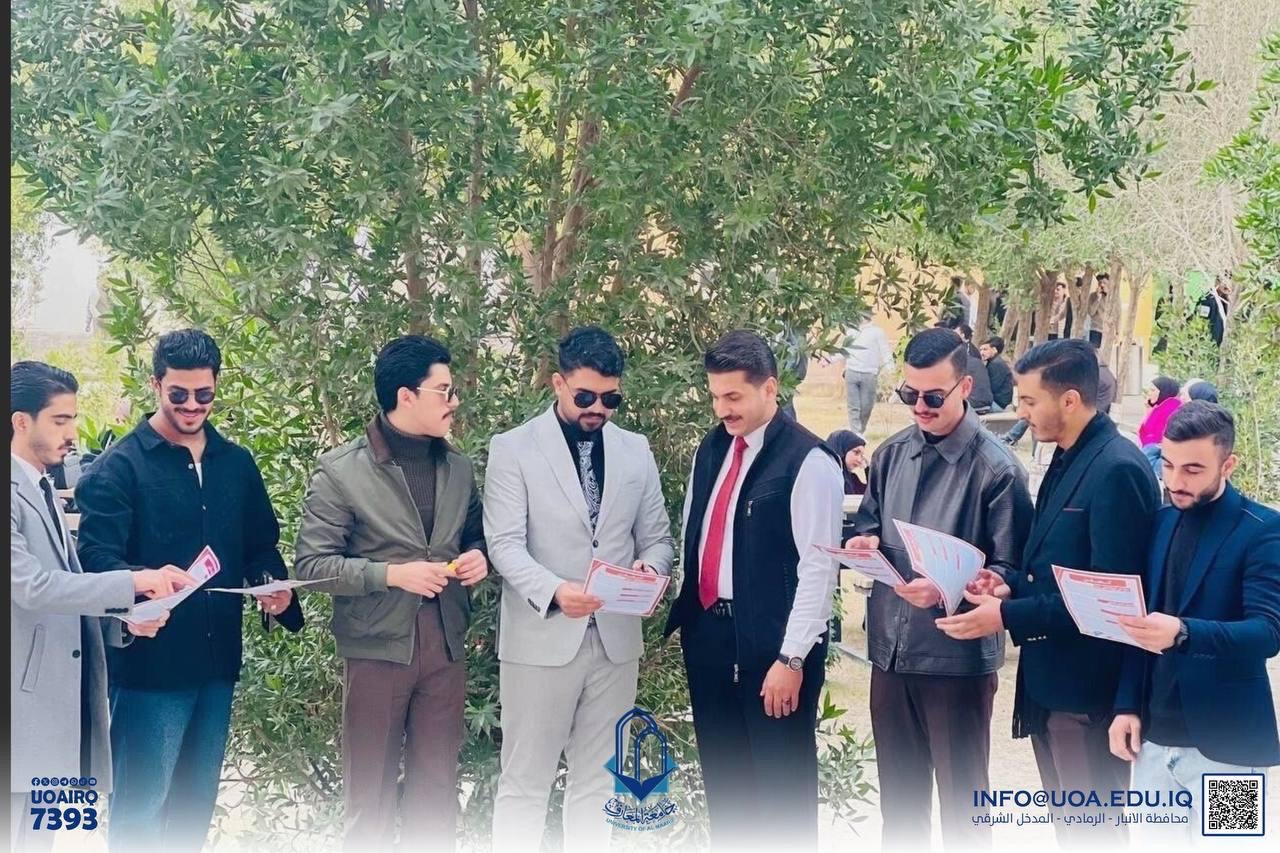
As part of its efforts to enhance students’ scientific knowledge, the College of Pharmacy prepared an educational brochure titled “Injections”. Supervised by Asst. Prof. Dr. Samira Finjan, Asst. Prof. Dr. Ahmed Khalil Ibrahim, Lect. Dr. Nather Abbas Al-Fahdawi, and Asst. Lect. Israa Muzhir Faleh, the activity involved students Baraa Laith Yassin, Omar Jassim Mohammed, Mustafa Mohammed Musharraf, Hassan Ezzaldeen Anaad, and Nabaa Haitham Ahmed and Jameel. The brochure educates students on injection types, proper administration methods, safety guidelines, and common mistakes. This initiative represents an educational outreach program (SDG04 – Quality Education), fostering practical knowledge and safe pharmacy practices among future healthcare professionals.
Al-Maarif University Honors Its Football Team and Scout Squad
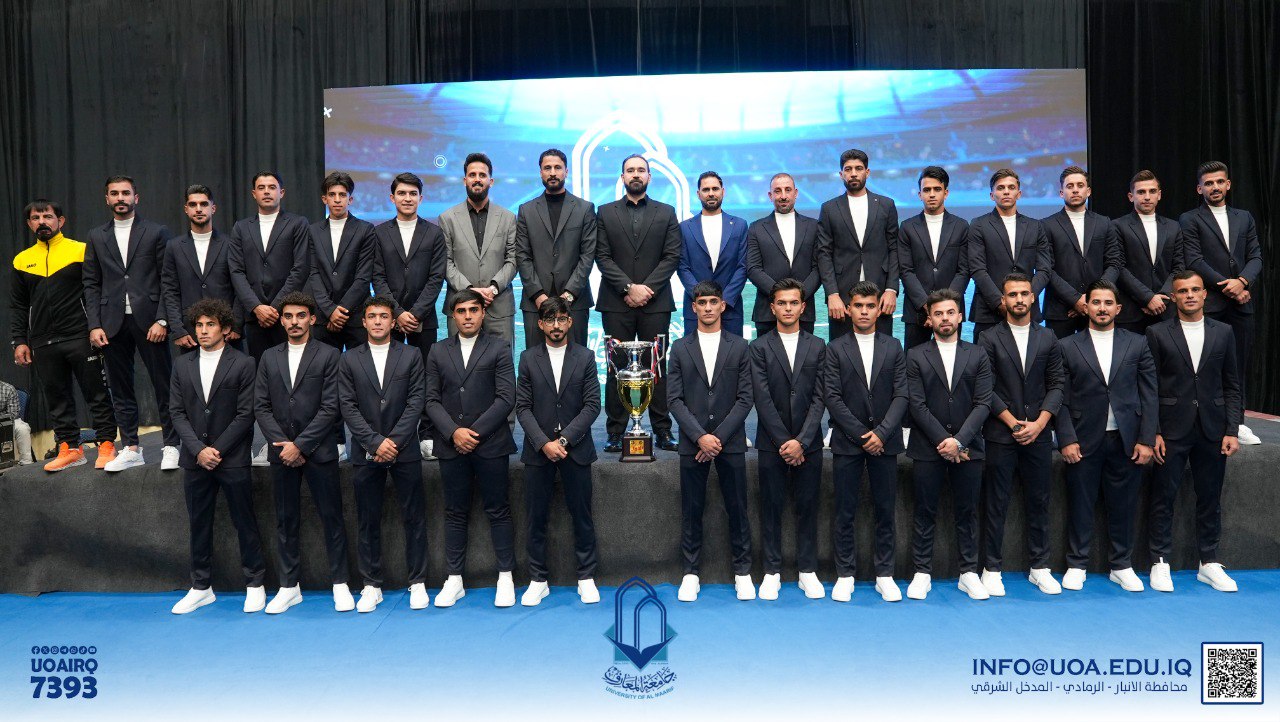
Under the patronage of the President of Al-Maarif University, Asst. Prof. Dr. Mahmood Abdulrazzaq Al-Saadi, the university organized a special ceremony to honor its football team for winning the Iraqi Universities Championship, which included participation from more than 66 universities and colleges across Iraq. This achievement adds to the university’s distinguished record in sports and academics. The ceremony also honored the university’s Scout Group for securing first place among Iraqi universities and colleges, in recognition of their discipline and initiative. The University President emphasized that these achievements reflect the university’s commitment to supporting student activities that promote character building, leadership development, teamwork, and holistic student growth.
An International Seminar (Roll of English as International Language)
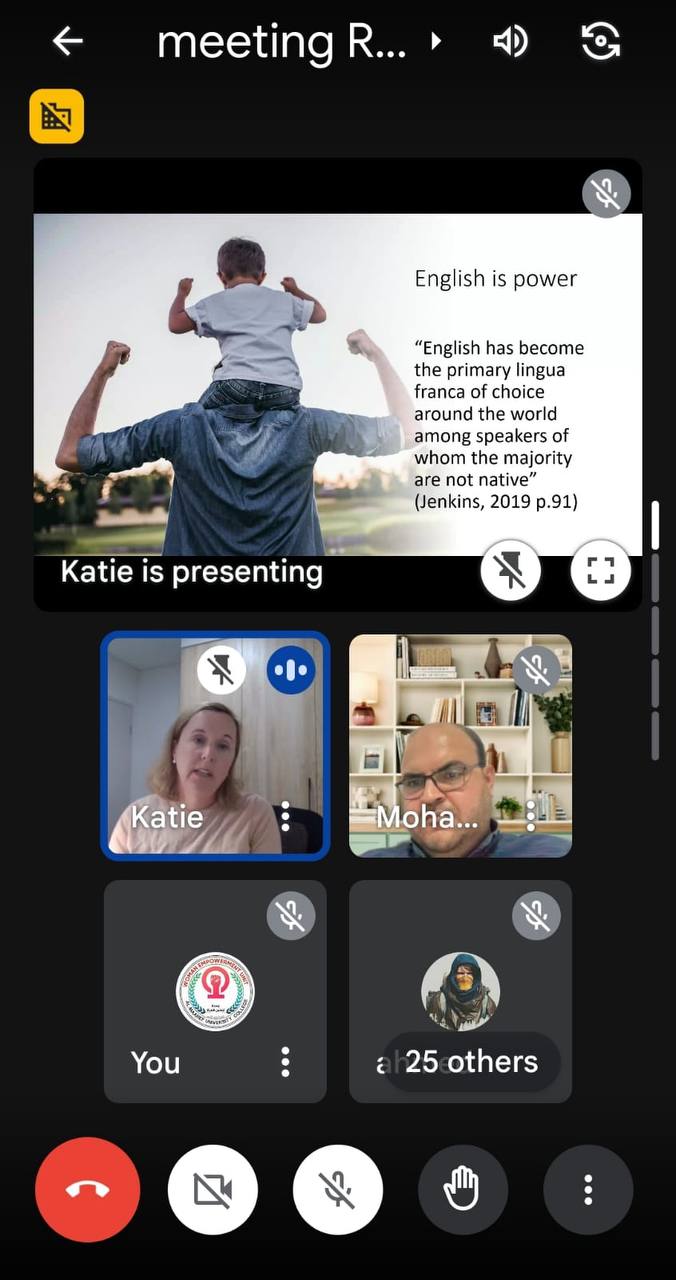
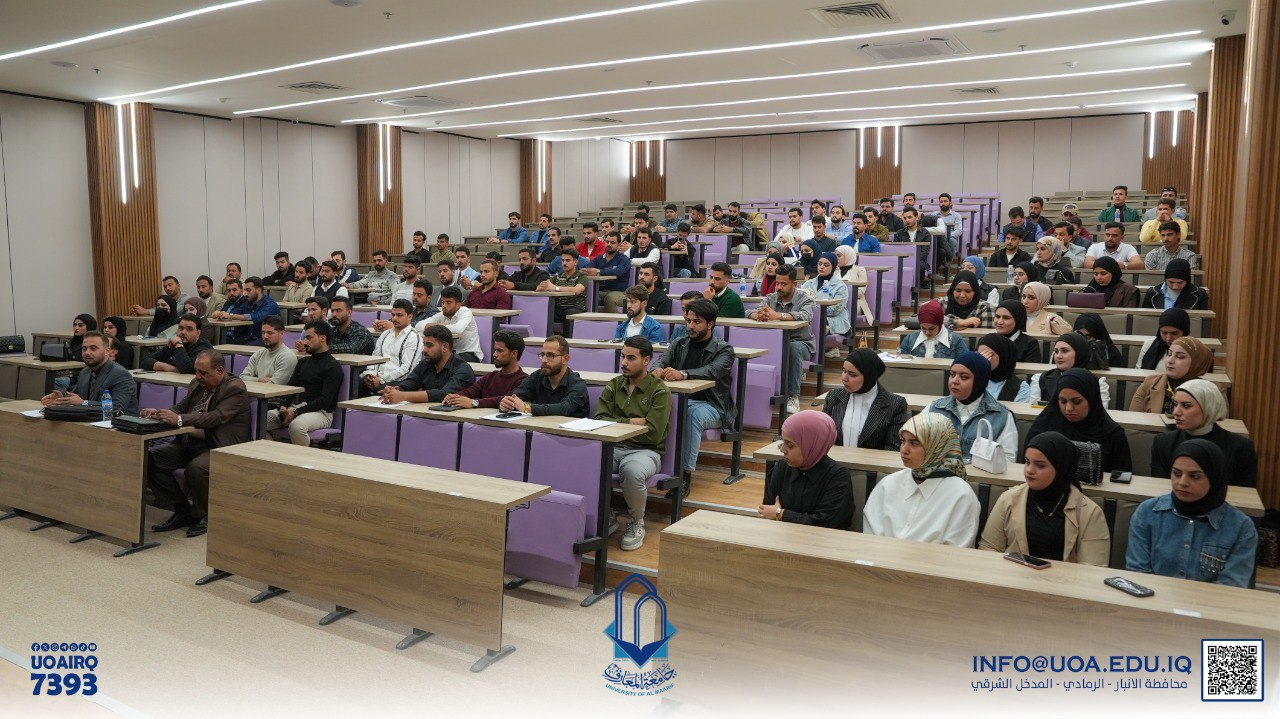
On Thursday, 23rd November 2023, the Department of English Language at Al-Maarif University held an international seminar entitled “Role of English as an International Language,” presented by Dr. Kaite Morera in cooperation with the Croan Australia – Sydney Institute and the Women’s Empowerment Unit. The seminar addressed challenges faced by English learners and highlighted the importance of English as a global language in professional and institutional communication. Participants were introduced to modern learning methods, strategies for mastering English, and techniques for understanding native dialects. The seminar aimed to enhance language skills, promote cross-cultural communication, and support educational development for students and professionals alike.
AUC Participated in the 18th Graduation Ceremony of UMP in Malaysia
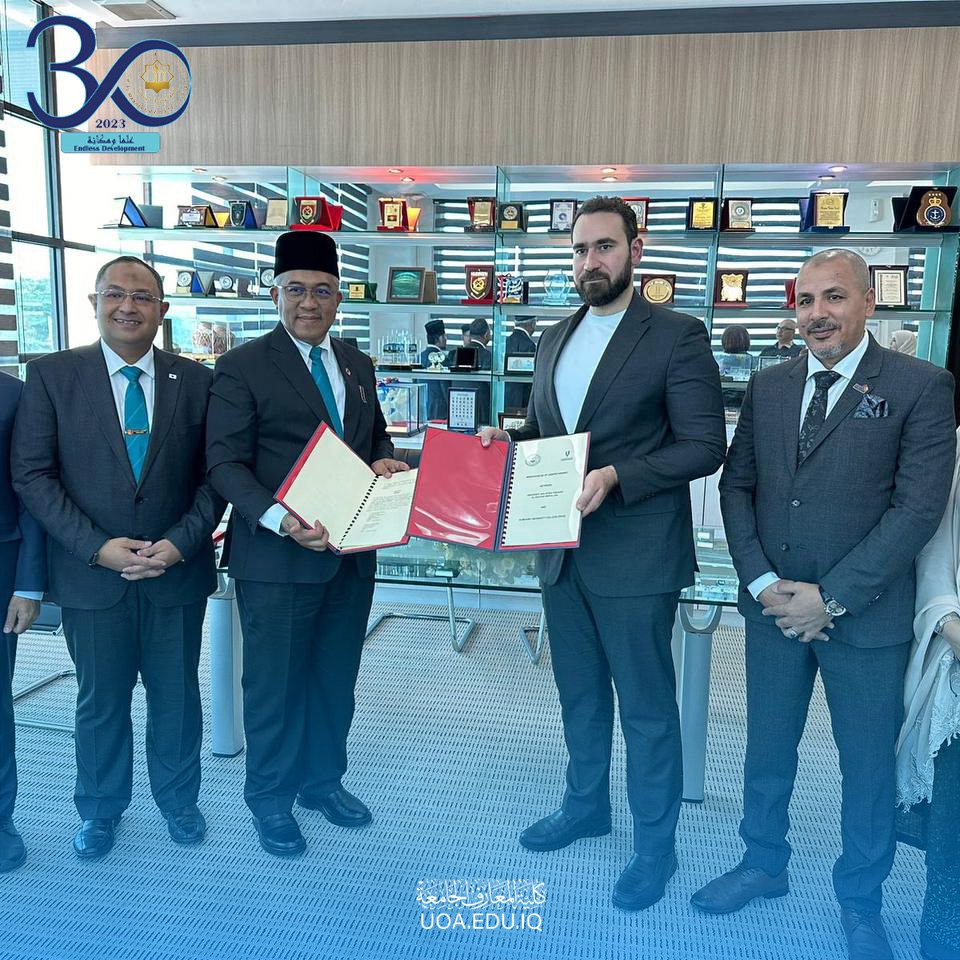
On Saturday, 21st October 2023, Al-Maarif University College received an official invitation from the University of Malaysia Pahang in the presence of Sultan Abdullah Ri’at Al-Deen Al-Mustafa Billah Shah, King of Malaysia. The Deputy Dean for Scientific Affairs, Dr. Mahmood Abd Al-Razaq Abd Al-Rahman, attended the 18th ceremony representing the College, which was held in Pahang, Malaysia. This participation reflects the College’s commitment to strengthening its openness and cooperation with local and international universities. It also aims to enhance scientific and cultural collaboration, exchange expertise, and promote knowledge sharing across various academic and research fields.
Guidance Seminar for Third-Year Business Administration Students on Exam Preparation
The Dean of the College of Administrative and Financial Sciences held a guidance seminar with third-year Business Administration students on 17/2/2026 at 11:00 a.m., focusing on preparation for the upcoming standardized end-of-semester exams. The session emphasized early preparation, regular lecture attendance, thorough study of course materials, and continuous communication with instructors. Students shared their questions and feedback, while instructors provided guidance on key topics. The Head of the Department and course instructors attended to support students. A similar seminar was held at 2:00 p.m. for evening-study students, ensuring all learners received equal academic guidance and support.
Scientific Seminar Titled “Intruders”
The College of Pharmacy organized a scientific seminar titled “Intruders,” presented by third-year student Ahmed Abdul Sattar Ibrahim Shaib under the supervision of Dr. Doaa Hisham Majeed on 2/3/2026 in Hall B002. The seminar was attended by the Dean, Assistant Professor Dr. Ibtisam Taher Al-Abbousi, and several faculty members. It focused on intruders in the pharmaceutical field, their impact on the profession, and patient safety, emphasizing adherence to legal and professional regulations. The event highlighted the role of academic institutions in strengthening students’ professional awareness and ethics, contributing to the development of competent, responsible pharmacy graduates.
College of Science Holds Awareness Seminar on Cyber Extortion and How to Counter It
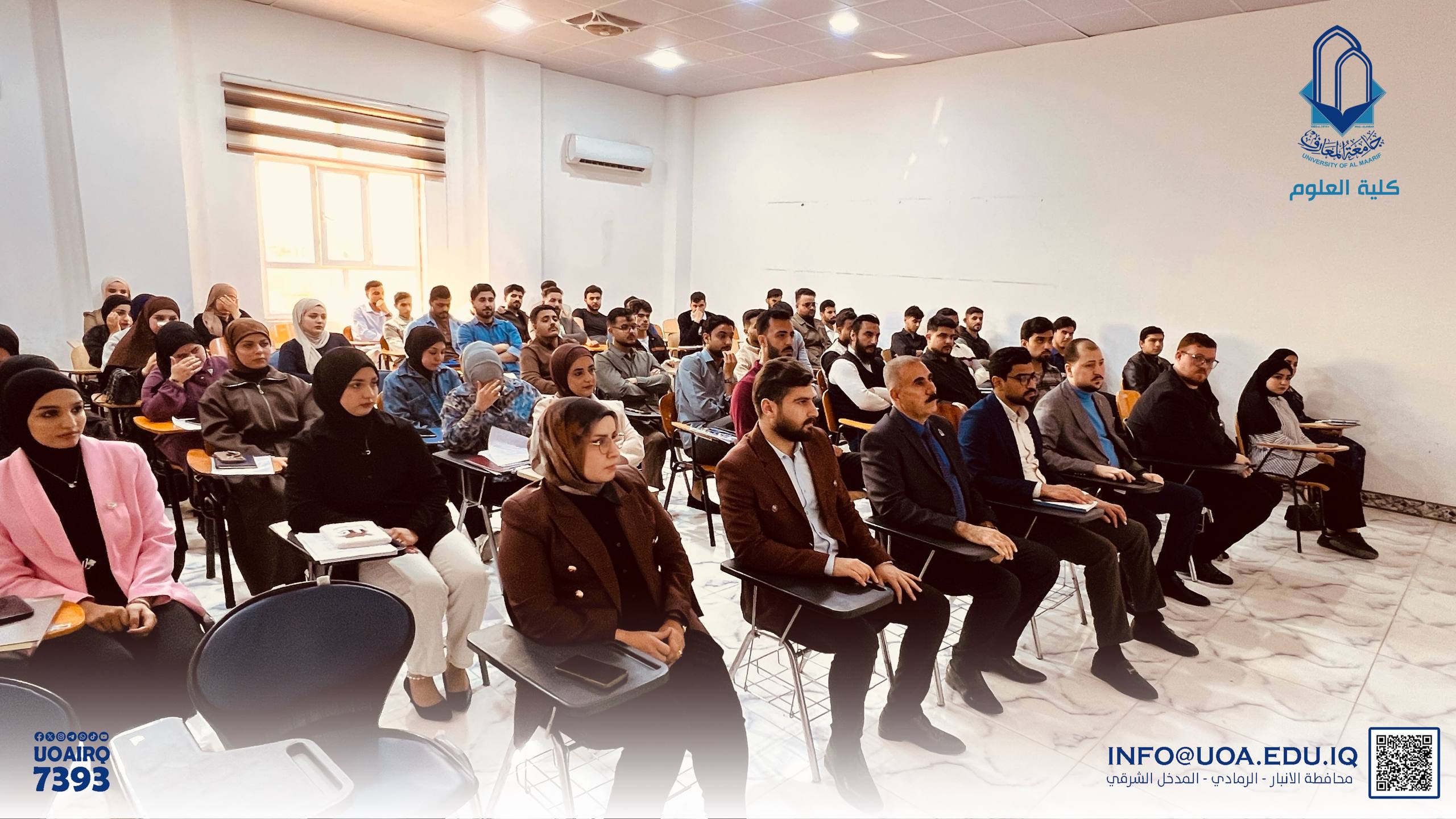
The Women’s Affairs Unit at the College of Science, in collaboration with the Continuing Education Center, organized an awareness seminar titled “Cyber Extortion: The Hidden Threat and How to Confront It.” The seminar aimed to educate students and faculty on the concept, forms, and risks of cyber extortion, as well as its psychological and social impacts. Participants learned about preventive strategies and legal and technical mechanisms to mitigate its effects. The event saw active engagement from attendees, highlighting the importance of promoting safe digital practices and reinforcing the university’s role in community education and awareness initiatives.
Scroll to Top