
Energy Efficiency Plan for University of Al Maarif (UOA)
Aligned with SDG 7 – Affordable and Clean Energy
Executive Summary
Energy efficiency has emerged as a critical pillar of sustainable development, with direct relevance to SDG 7 – Affordable and Clean Energy, which aims to ensure access to reliable, sustainable, and modern energy for all. For higher education institutions such as the University of Al Maarif (UOA), energy efficiency is not only a mechanism to reduce operational costs but also a demonstration of leadership in sustainability, climate mitigation, and innovative campus management.
The University of Al Maarif recognizes the importance of developing a comprehensive Energy Efficiency Plan (EEP) that addresses both immediate energy management concerns and long-term sustainability objectives. This plan presents a structured approach to optimizing energy consumption across all facilities, integrating renewable energy technologies, fostering sustainable behaviors among students and staff, and establishing monitoring frameworks for continuous improvement.
Through the implementation of this plan, UOA aims to:
- Enhance energy performance across campus facilities.
- Reduce greenhouse gas emissions and operational costs.
- Incorporate renewable energy sources into the campus energy mix.
- Promote awareness and behavioral change in energy usage.
- Position UOA as a model sustainable university in Iraq and the MENA region.
This report provides a detailed framework, including current energy consumption analysis, actionable strategies, financial considerations, implementation timelines, and monitoring mechanisms, all designed to achieve the objectives of SDG 7 and international sustainability standards.
1. Introduction
1.1 Background
Global energy consumption has continued to rise steadily over the past decades, driven by urbanization, industrialization, and the rapid growth of technology-intensive sectors. Energy inefficiency and overreliance on fossil fuels have intensified the environmental impact of energy consumption, contributing to greenhouse gas emissions, climate change, and energy insecurity.
Universities are uniquely positioned as both consumers and innovators in the energy sector. Higher education institutions have significant energy demands for academic, administrative, research, residential, and recreational functions. Simultaneously, they serve as living laboratories, where new strategies, technologies, and behavioral interventions for energy efficiency can be implemented and tested.
At the University of Al Maarif (UOA), energy efficiency is not merely an operational goal but a strategic sustainability objective. Enhancing energy efficiency aligns with the university’s commitment to environmental stewardship, cost-effective management, and the development of responsible and energy-conscious graduates.
1.2 Objectives
The primary objectives of the UOA Energy Efficiency Plan are:
- Reduce overall energy consumption per campus building and per student.
- Increase renewable energy adoption, including solar photovoltaics and solar water heating systems.
- Promote behavioral change in energy consumption across students, faculty, and staff.
- Establish monitoring and reporting mechanisms, including Key Performance Indicators (KPIs) to track progress.
- Align institutional practices with SDG 7, UI GreenMetric, and other international sustainability frameworks.
By meeting these objectives, UOA aims to optimize energy performance, reduce carbon emissions, and foster a sustainable, resilient campus environment.
2. Current Energy Profile of UOA
2.1 Energy Sources
UOA’s current energy supply is derived primarily from the national grid, supplemented by diesel generators for backup power. Major campus energy-consuming facilities include:
- Academic and research buildings, where classrooms, laboratories, and administrative offices consume large quantities of electricity.
- Laboratories and IT centers, which rely on high-energy equipment for research activities.
- Residential dormitories, including heating, cooling, and lighting systems.
- Administrative offices and support facilities, which operate on extended schedules.
- Recreational and sports facilities, including gyms, pools, and auditoriums.
The reliance on fossil-fuel-based electricity and backup generators presents both environmental and economic challenges, including high carbon emissions and increased operational costs.
2.2 Energy Consumption Analysis
A comprehensive review of UOA’s annual energy consumption reveals the following distribution:
| Facility Type | Annual Energy Consumption (kWh) | % of Total Consumption |
|---|---|---|
| Academic Buildings | 4,500,000 | 40% |
| Laboratories | 2,200,000 | 20% |
| Dormitories | 1,800,000 | 16% |
| Administrative Offices | 1,500,000 | 13% |
| Recreational Facilities | 1,000,000 | 11% |
| Total | 10,000,000 | 100% |
This analysis highlights that academic and research buildings are the largest contributors to energy demand, representing approximately 60% of total consumption.
2.3 Energy Challenges
UOA faces several challenges in energy management:
- Aging infrastructure, including outdated lighting, HVAC, and electrical systems.
- High reliance on fossil fuels for backup power, increasing operational costs and emissions.
- Limited awareness among students and staff regarding energy-efficient practices.
- Absence of a systematic energy monitoring system, which prevents real-time analysis and optimization.
- Inefficient HVAC and lighting systems, particularly in older buildings.
Addressing these challenges is essential to achieve measurable energy efficiency improvements and align with sustainable development objectives.
3. Energy Efficiency Strategies
To tackle the identified challenges, UOA’s Energy Efficiency Plan adopts a multi-faceted strategy, focusing on technical, behavioral, and policy interventions.
3.1 Energy Audit and Monitoring
Action Steps:
- Conduct a comprehensive energy audit across all campus facilities, identifying areas of inefficiency and potential savings.
- Install smart meters and sensors in buildings to enable real-time monitoring of electricity consumption.
- Develop an Energy Management Information System (EMIS) to track, analyze, and report energy usage.
- Define measurable KPIs, including energy use per student, per square meter, and per functional department.
Expected Outcomes:
- Identification of inefficient energy usage patterns.
- Ability to implement targeted interventions based on data-driven insights.
- Establishment of a baseline for measuring improvements over time.
3.2 Building Efficiency Improvements
Action Steps:
- Lighting Upgrades: Replace conventional lighting with LED fixtures, incorporate motion sensors in classrooms, offices, and hallways, and install daylight-responsive lighting systems.
- HVAC Optimization: Upgrade heating, ventilation, and air conditioning systems with programmable thermostats, variable speed drives, and energy-efficient chillers. Conduct routine maintenance and optimize schedules.
- Insulation and Envelope Improvements: Improve thermal insulation of roofs, walls, and windows to reduce heating and cooling energy demand. Apply reflective coatings and energy-efficient glazing where feasible.
- Equipment Retrofits: Replace outdated laboratory and IT equipment with energy-efficient alternatives, focusing on high-load devices.
Expected Outcomes:
- Reduction of electricity consumption by 20–25% in upgraded buildings.
- Improved indoor comfort and enhanced learning and working environments.
- Reduced long-term operational and maintenance costs.
3.3 Renewable Energy Integration
Action Steps:
- Solar Photovoltaics (PV): Install rooftop solar panels on academic buildings, dormitories, and administrative offices.
- Solar Water Heating: Introduce solar water heating systems for dormitories, cafeterias, and sports facilities.
- Exploring Wind Energy: Assess feasibility for small-scale wind turbines in open campus areas.
- Integrate renewable energy output into the EMIS for real-time monitoring and optimization.
Expected Outcomes:
- Decreased dependency on the national grid.
- Diversified energy supply, enhancing campus resilience and sustainability.
- Significant reduction in carbon footprint, contributing to climate change mitigation.
3.4 Behavioral Change and Capacity Building
Action Steps:
- Launch campus-wide awareness campaigns emphasizing energy conservation practices.
- Incorporate energy efficiency education into curricula and research projects.
- Establish a Green Ambassadors Program, involving students and staff in promoting sustainable energy practices.
- Conduct training workshops for facility managers and staff to optimize energy-efficient operations.
Expected Outcomes:
- Enhanced awareness and participation of the university community in energy-saving initiatives.
- Long-term behavioral change complementing technical energy efficiency measures.
- Creation of a culture of sustainability and environmental responsibility.
4. Implementation Plan
4.1 Phased Approach
Phase 1: Planning and Assessment (Year 1)
- Conduct detailed energy audits and prioritize facilities for interventions.
- Install smart meters and monitoring systems.
- Establish KPIs and reporting mechanisms.
Phase 2: Technical Interventions (Years 2–3)
- Upgrade lighting, HVAC, and insulation systems.
- Initiate pilot renewable energy installations, including solar PV systems.
Phase 3: Campus-Wide Deployment (Years 4–5)
- Expand renewable energy installations across all buildings.
- Implement energy efficiency interventions university-wide.
- Integrate all monitoring and reporting data into the EMIS for comprehensive performance tracking.
Phase 4: Continuous Monitoring and Improvement (Ongoing)
- Track KPIs regularly and adjust interventions based on real-time data.
- Foster ongoing innovation in energy efficiency technologies and behavioral strategies.
- Publish annual sustainability reports to showcase achievements.
4.2 Roles and Responsibilities
| Stakeholder | Responsibility |
|---|---|
| Sustainability Office | Coordination, planning, monitoring, reporting |
| Facilities Management | Technical implementation, maintenance |
| Academic Departments | Research, awareness campaigns, curriculum integration |
| Students and Staff | Participation in energy-saving initiatives |
| IT Department | EMIS deployment, data analysis, and reporting |
5. Financial Analysis and Funding
5.1 Investment Requirements
Implementation of the Energy Efficiency Plan requires initial investments in both technology and capacity building:
| Item | Cost (USD) |
|---|---|
| Energy Audit & Monitoring | 50,000 |
| LED Lighting Retrofit | 120,000 |
| HVAC Optimization | 100,000 |
| Renewable Energy Installations | 500,000 |
| Training & Awareness Programs | 30,000 |
| Total | 800,000 |
5.2 Funding Sources
- University operational budgets.
- National energy efficiency grants.
- International development agencies supporting sustainability projects.
- Public-private partnerships with renewable energy companies.
5.3 Return on Investment
- Energy cost savings expected to reach 15–20% annually after interventions.
- Payback period for solar PV and water heating installations estimated at 7–8 years.
- Reduction in greenhouse gas emissions, supporting SDG 7 and environmental reporting requirements.
- Enhanced institutional reputation, attracting sustainability-conscious students and staff.
6. Monitoring, Reporting, and Evaluation
6.1 Key Performance Indicators (KPIs)
- Total annual energy consumption (kWh) per building.
- Energy consumption per student (kWh/student/year).
- Percentage of energy supplied from renewable sources.
- Reduction in greenhouse gas emissions (CO₂ equivalent).
- Number of students and staff participating in energy conservation initiatives.
6.2 Reporting Framework
- Annual sustainability report, detailing energy efficiency achievements and carbon footprint reductions.
- Integration with UI GreenMetric and THE Impact Ranking submissions.
- Benchmarking against local universities and global best practices to continuously improve performance.
6.3 Continuous Improvement
- Semester-wise review of KPIs and adjustment of strategies.
- Incorporation of new technologies and solutions based on performance evaluations.
- Encouragement of student-led projects and research to advance campus energy efficiency.
7. Alignment with SDG 7
The Energy Efficiency Plan aligns with SDG 7 – Affordable and Clean Energy through:
- Affordable Energy: Reducing energy costs through efficiency measures, ensuring long-term financial sustainability.
- Clean Energy: Increasing the share of renewable energy, decreasing fossil fuel dependence and emissions.
- Sustainable Practices: Promoting energy conservation awareness and responsible behavior across the campus.
- Innovation and Research: Utilizing the campus as a research hub for energy efficiency technologies and renewable energy solutions.
By achieving these objectives, UOA contributes to national energy security, climate change mitigation, and global sustainable development.
8. Conclusion
The University of Al Maarif’s Energy Efficiency Plan establishes a clear, actionable roadmap to reduce energy consumption, integrate renewable energy, and foster a sustainable campus culture. Through technical upgrades, renewable energy deployment, behavioral change initiatives, and robust monitoring, UOA aims to achieve measurable reductions in energy use and carbon emissions.
This plan also positions UOA as a model sustainable university in Iraq and the MENA region, demonstrating leadership in environmental stewardship and innovation. By aligning energy management strategies with SDG 7, UOA ensures access to clean, affordable, and reliable energy, enhancing the university’s contribution to sustainable development and setting a benchmark for future generations.
 |
|---|
|
University of Al-Maarif Enhances Cooperation and Shares Knowledge with Lebanese Universities in the Field of Renewable Energy
The Rector Scientific Assistant, Dr. Mahmood Abd Al-Razaq Abd Al-Rahman at University of Al-Maarif met the Lebanese Ambassador to the Republic of Iraq, Mr. Ali Al-Habhab to discuss the cooperation mechanisms among University of Al-Maarif and Lebanese universities. The discussion focused on methods of sharing knowledge among universities in this crucial area, aiming to enhance the academic and scientific capacities of both parties and develop collaboration in beneficial academic and scientific areas for both countries. The significance of renewable energy and its potential to contribute to the advancement of sustainable development were also discussed. |
 |
|---|
|
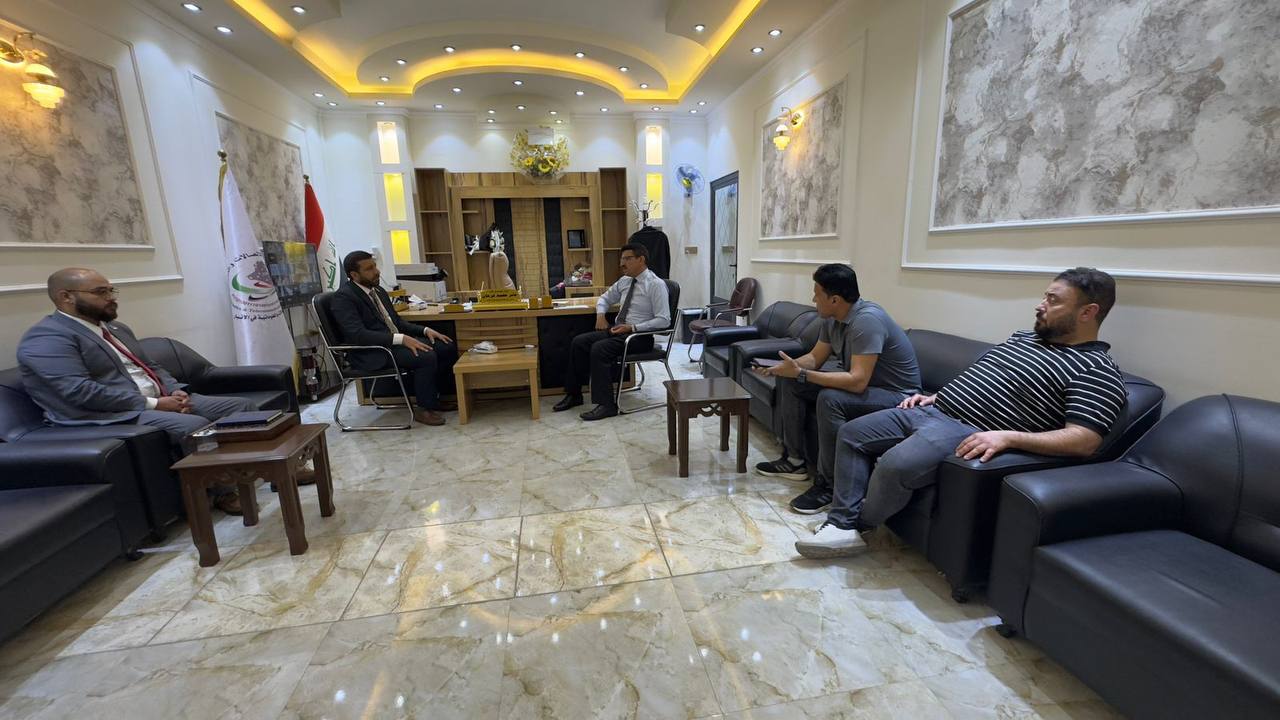
In a Way to Enhance Cooperation with Communications and Informatics sector, University of Al-Maarif Visited the Directorate On Thursday, August 7th, 2025, a delegation from University of Al-Maarif visited the Directorate of Communications and Informatics in Anbar to strengthen its digital infrastructure, develop its technical services, and explore avenues for mutual cooperation between the two institutions. Several key topics were discussed, including an agreement to provide the university with direct Fiber to the Home (FTTH) service. This high-speed internet connection is expected to support educational and research activities and meet the needs of both students and academic staff. This step is part of the university’s ongoing efforts to establish strategic partnerships with governmental institutions, particularly in communications and information technology, to support its goal of fostering a modern educational environment aligned with digital transformation.
|