Introduction
The University of Al-Maarif (UOA) has adopted a Comprehensive Smoke-Free Campus Policy as part of its strategic commitment to public-health promotion, environmental sustainability, and the United Nations Sustainable Development Goals, particularly SDG 3 (Good Health and Well-being) and SDG 13 (Climate Action).
This policy, first introduced in January 2021 and reaffirmed by the University Council and the Sustainability & Global Ranking Unit in March 2025, positions UOA among Iraq’s pioneering institutions integrating health, safety, and sustainability into every layer of campus life.
The regulation establishes a 100 percent smoke-free environment across all university properties—indoor and outdoor alike. It prohibits the use of traditional cigarettes, electronic cigarettes, vapes, hookahs (shisha), cigars, and any tobacco-related devices within classrooms, offices, dormitories, sports facilities, laboratories, cafés, walkways, and parking areas. The university has taken a decisive stance of zero tolerance, ensuring there are no designated smoking zones on campus.
This initiative aims not only to safeguard air quality and reduce fire hazards but also to cultivate a culture of well-being, respect, and social responsibility among students and staff. It reflects UOA’s belief that a healthy environment is foundational to academic excellence, productivity, and sustainable community life.
Rationale and Institutional Commitment
The university’s smoke-free policy stems from its vision of promoting “Health for Learning and Learning for Health.” The decision was informed by extensive consultation between the Dean of Student Affairs, the Medical Services Department, the College of Dentistry, and the Sustainability & Global Ranking Unit.
Smoking and exposure to second-hand smoke have been widely proven to increase the risk of chronic respiratory and cardiovascular diseases, oral cancer, and other health complications. Within the university environment—where thousands of young adults spend significant hours studying, researching, and socializing—exposure can create lifelong health risks.
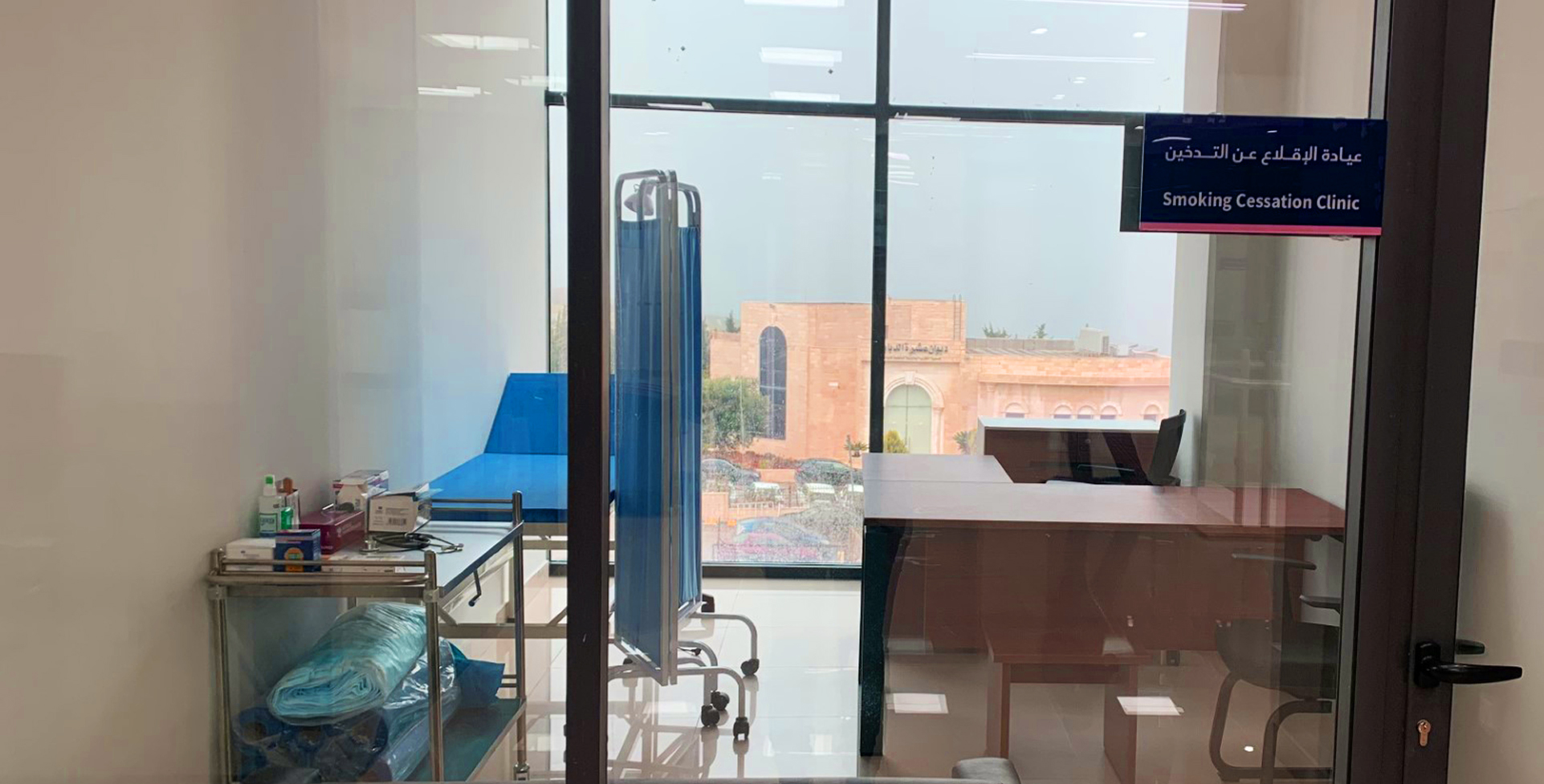
UOA’s leadership recognized the moral and institutional responsibility to act. Accordingly, it committed to eliminating tobacco use on its premises, protecting non-smokers from involuntary exposure, and empowering smokers to quit through professional support programs such as the Smoking Cessation Clinic housed within the College of Dentistry.
By enacting this policy, UOA ensures that health protection and sustainability go hand in hand, shaping responsible citizens who respect the rights of others and the planet.
Scope and Coverage
The Comprehensive Smoke-Free Policy applies to:
-
All university-owned, leased, or operated facilities, including academic and administrative buildings, laboratories, cafeterias, dormitories, libraries, meeting halls, and sports complexes.
-
All outdoor areas, including gardens, parking lots, pedestrian paths, courtyards, and shuttle areas.
-
All events, gatherings, and activities organized or hosted by UOA, whether on or off campus.
-
All members of the university community—students, faculty, administrative staff, contractors, and visitors.
The prohibition extends to smoking, vaping, or using any tobacco products, and to advertising, promoting, or selling such products within university premises.
This wide scope ensures consistency with global best practices in public-health policy and aligns UOA with other leading universities committed to carbon-neutral and health-promoting campuses.
Implementation and Enforcement
Successful enforcement depends on education, collaboration, and shared responsibility rather than punishment alone. The university’s implementation strategy combines awareness campaigns, physical measures, and regulatory frameworks.
1. Awareness and Communication
-
Over 150 “No Smoking” signs have been strategically placed at entrances, hallways, and public spaces in Arabic and English.
-
Digital screens and the official university website regularly display health facts about smoking hazards and information on support services.
-
Every new student and employee receives a Smoke-Free Campus Handbook during orientation week.
2. Institutional Roles
-
The Sustainability & Global Ranking Unit monitors policy compliance, collects data on enforcement, and prepares annual reports linking the initiative to SDG 3 and SDG 13.
-
The Department of Medical Services provides health consultations, counseling, and referrals to cessation programs.
-
The Dean of Student Affairs ensures disciplinary alignment with student regulations, emphasizing education before sanctions.
3. Disciplinary Procedures
Violations trigger a structured response:
-
First offense: Verbal or written warning accompanied by counseling.
-
Second offense: Mandatory attendance in a health-awareness session.
-
Repeated offenses: Administrative penalties as per university disciplinary code.
This progressive system maintains fairness while reinforcing accountability.
Health Education and Behavioral Support
Recognizing that tobacco dependence is a health issue rather than a moral failing, UOA integrates education and behavioral change support into its anti-smoking strategy.
Smoking Cessation Clinic
Operated by the College of Dentistry, this clinic provides free counseling, medical guidance, and follow-up to individuals seeking to quit. Clients undergo oral-health assessments, receive personalized cessation plans, and are monitored over multiple visits.
Wellness Ambassadors Program
Students from the medical, pharmacy, and biomedical engineering departments volunteer as Wellness Ambassadors to promote peer-to-peer awareness about the risks of smoking and the benefits of healthy living. They organize workshops, distribute educational materials, and serve as role models.
Collaborative Training
Annual training sessions are held in partnership with national health institutions such as the King Hussein Cancer Center, the Iraqi Anti-Tobacco Society, and the Ministry of Health. Topics include tobacco-control legislation, nicotine addiction, and community-based intervention strategies.
Campus Environment and Infrastructure
UOA’s smoke-free framework is integrated into its sustainable campus design:
-
Outdoor seating areas are equipped with greenery and shade structures to provide comfortable smoke-free social spaces.
-
Waste bins are designed without ashtrays, symbolizing the removal of smoking norms.
-
Air-quality monitors track environmental improvements in common areas, with data displayed on campus dashboards managed by the ICT Center.
-
Building ventilation systems have been upgraded to maintain high indoor-air quality.
These environmental adjustments reinforce health protection while supporting UOA’s broader sustainability objectives.
Community Engagement and Outreach
The university extends its smoke-free mission beyond campus boundaries through collaboration with schools, municipalities, and local NGOs.
Key outreach activities include:
-
“Quit for Life” Campaigns in secondary schools across Al-Anbar Governorate, reaching over 3,000 students annually.
-
Distribution of health education leaflets in Arabic and English covering oral hygiene, cardiovascular risks, and environmental impacts of smoking.
-
Hosting World No Tobacco Day events with public lectures, art competitions, and exhibitions highlighting sustainable lifestyles.
These community-based initiatives amplify awareness and position UOA as a regional advocate for public health.
Research and Innovation
As part of its academic mission, UOA encourages faculty and postgraduate students to pursue research addressing smoking-related health issues and behavioral-change strategies.
Examples include:
-
Studies on the oral and respiratory impacts of tobacco among young adults in western Iraq.
-
Investigations into the relationship between nicotine addiction and stress in university environments.
-
Development of AI-based health-promotion applications under the Faculty of Engineering’s digital-health initiative.
Such research not only enriches academic knowledge but also informs national public-health policy and contributes to SDG 9 (Innovation and Infrastructure) and SDG 17 (Partnerships for the Goals).
Monitoring and Evaluation
The effectiveness of the smoke-free policy is tracked through a structured evaluation framework managed by the Sustainability & Global Ranking Unit in cooperation with the Quality Assurance Department.
Indicators include:
-
Number of awareness sessions and participants.
-
Compliance rates measured through campus inspections.
-
Feedback from anonymous surveys of students and employees.
-
Reduction in reported smoking incidents on campus.
Results are published annually in the University Sustainability Report and the Health and Safety Dashboard, ensuring transparency and continuous improvement.
Digital Transformation and ICT Integration
Information and Communication Technology (ICT) plays a vital role in sustaining compliance and awareness:
-
A digital reporting platform allows students and staff to report violations confidentially.
-
The UOA App provides access to cessation resources, appointment booking at the Medical Center, and educational videos.
-
Data from smart-environment sensors support air-quality research and policy refinement.
This technology-enabled governance ensures evidence-based decision-making and efficient implementation aligned with SDG 9 and SDG 16 (Peace, Justice, and Strong Institutions).